
Nvidia CEO Jensen Huang admits affair amid Chinese spying allegations; board launches probe
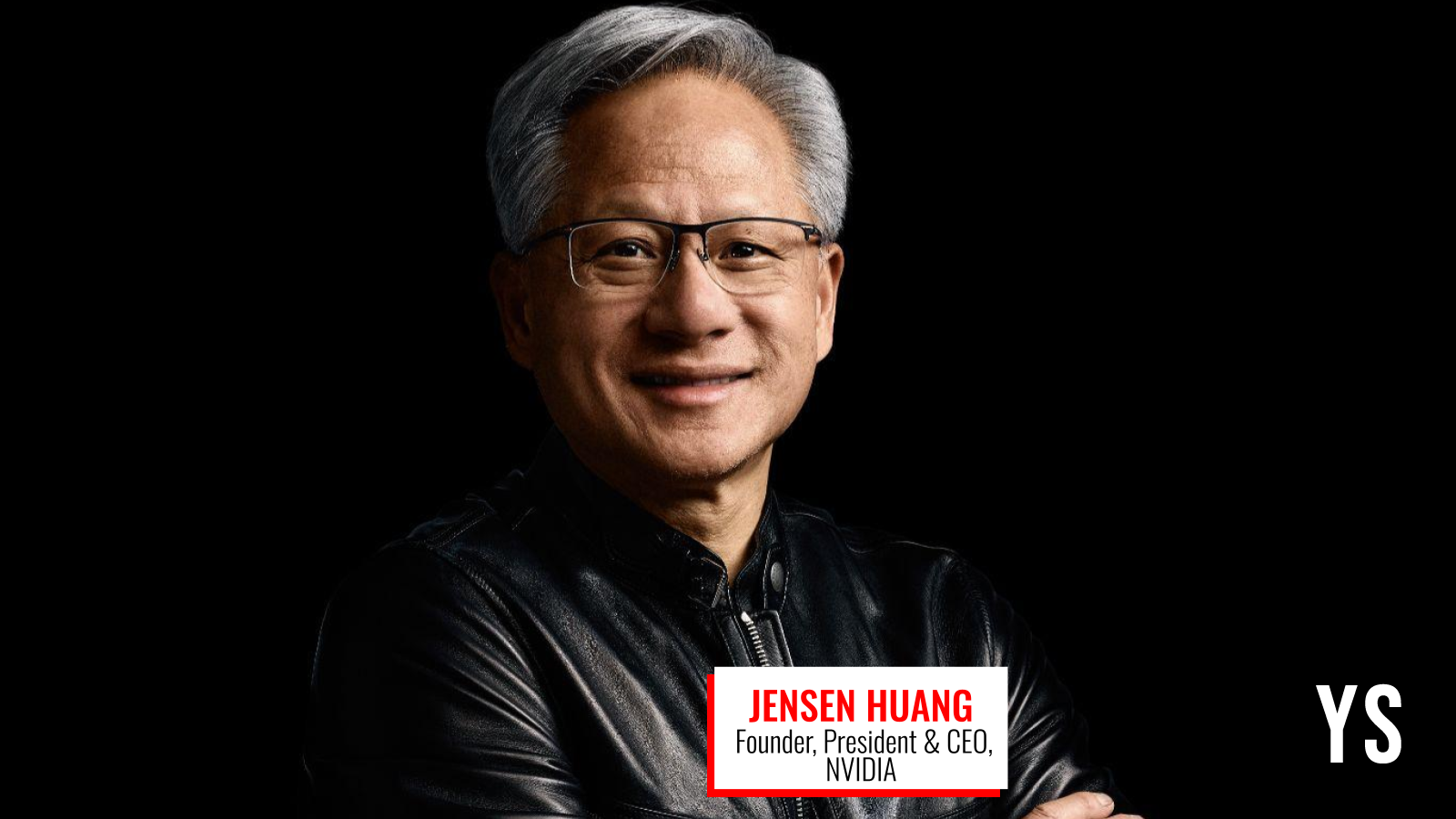
Nvidia has launched an independent investigation into reports that its founder and CEO Jensen Huang was targeted by a Chinese intelligence operation, following his admission of an extramarital affair with a business executive whom US intelligence officials reportedly suspect of passing information to Beijing.
The development has raised questions about corporate security and the potential exposure of sensitive information at the world's most valuable company, whose advanced chips are central to the global artificial intelligence race.
In a letter to employees obtained by multiple news organisations, Huang, 63, acknowledged being unfaithful to his wife and apologised to his family and colleagues. He said he took full responsibility for his actions. "Leading Nvidia is the privilege of my life," Huang wrote. "My responsibility is to serve you and be worthy of your trust. I have fallen short of that responsibility."
Nvidia's board announced on Sunday that it would examine reports suggesting Huang had been the target of a foreign intelligence effort. The investigation will be overseen by a committee of independent directors, assisted by external legal counsel. The board said it had no reason to believe that either US national security or Nvidia's confidential information had been compromised. However, it said the inquiry would review all available information.
Huang has agreed to cooperate with the investigation and will continue serving as CEO. "Today's news will not slow Nvidia," company spokesperson John Rizzo said in a statement, adding that Huang remained committed to leading the company without interruption.
Who is Alice Huang?
The investigation follows a report by The New York Times in October that US intelligence agencies had identified a close relationship between Jensen Huang and Alice Huang, a Chinese citizen and business executive who allegedly supplied information to Beijing. The two are not related. Alice Huang, a former television reporter in China, subsequently became a senior executive at Singapore-based data centre company Megaspeed, a major purchaser of Nvidia's AI chips.
According to The New York Times, Megaspeed purchased more than $4.8 billion worth of Nvidia chips over the past two years. US authorities have also scrutinised Megaspeed over suspicions that it helped China obtain advanced AI processors subject to American export restrictions. The allegations involving Alice Huang have not been established by Nvidia's investigation, and the company has not reported evidence that its confidential information was compromised.
US lawmakers seek answers
The controversy has drawn attention from senior lawmakers in Washington, with three Republican congressional committee chairs seeking a closed-door briefing from Huang. In a letter dated November 4, House Foreign Affairs Committee Chairman Brian Mast, House Select Committee on China Chairman John Moolenaar and House Intelligence Committee Chairman Eric Crawford asked Huang to provide a briefing on November 18, according to Reuters.
The lawmakers raised concerns about whether the alleged intelligence operation could have exposed sensitive American technology or information to China. Nvidia previously said Huang interacts with thousands of customer executives annually and that its cloud customers in Asia receive ordinary business information rather than sensitive trade secrets or information connected to US national security. The company also said it acts on information received from US authorities about parties or organisations of concern.
Trump backs Huang
US President Donald Trump defended Huang on Sunday, praising his leadership and indicating that the controversy would not necessarily affect their working relationship. Speaking to reporters before returning to the White House, Trump said Huang had done an exceptional job and indicated he remained open to taking the Nvidia chief on an upcoming trip to Asia. Huang serves on the President's Council of Advisors on Science and Technology.
US Secretary of State Marco Rubio, meanwhile, declined to comment on the allegations, citing the nature of the matter and Nvidia's internal investigation.
Why the investigation matters
The controversy comes at a sensitive time for Nvidia, which has become one of the most influential companies in the global AI industry. Its graphics processing units power the infrastructure used to develop and deploy advanced AI models. The company's dominance has also placed it at the centre of US-China technology tensions, particularly as Washington restricts exports of advanced chips to China.
The investigation presents Nvidia with questions extending beyond Huang's personal conduct, including the adequacy of corporate safeguards and whether intelligence concerns warrant changes to how senior executives engage with customers and business partners. For now, Nvidia's board has expressed confidence in Huang's continued leadership. Whether the investigation identifies any security lapses, and whether those findings lead to further corporate action, remains to be seen.
This content is published by YourStory and has not been created or edited by Hello Headlines. View original