In Telangana’s forests, ex-Maoists count cost of leaving movement
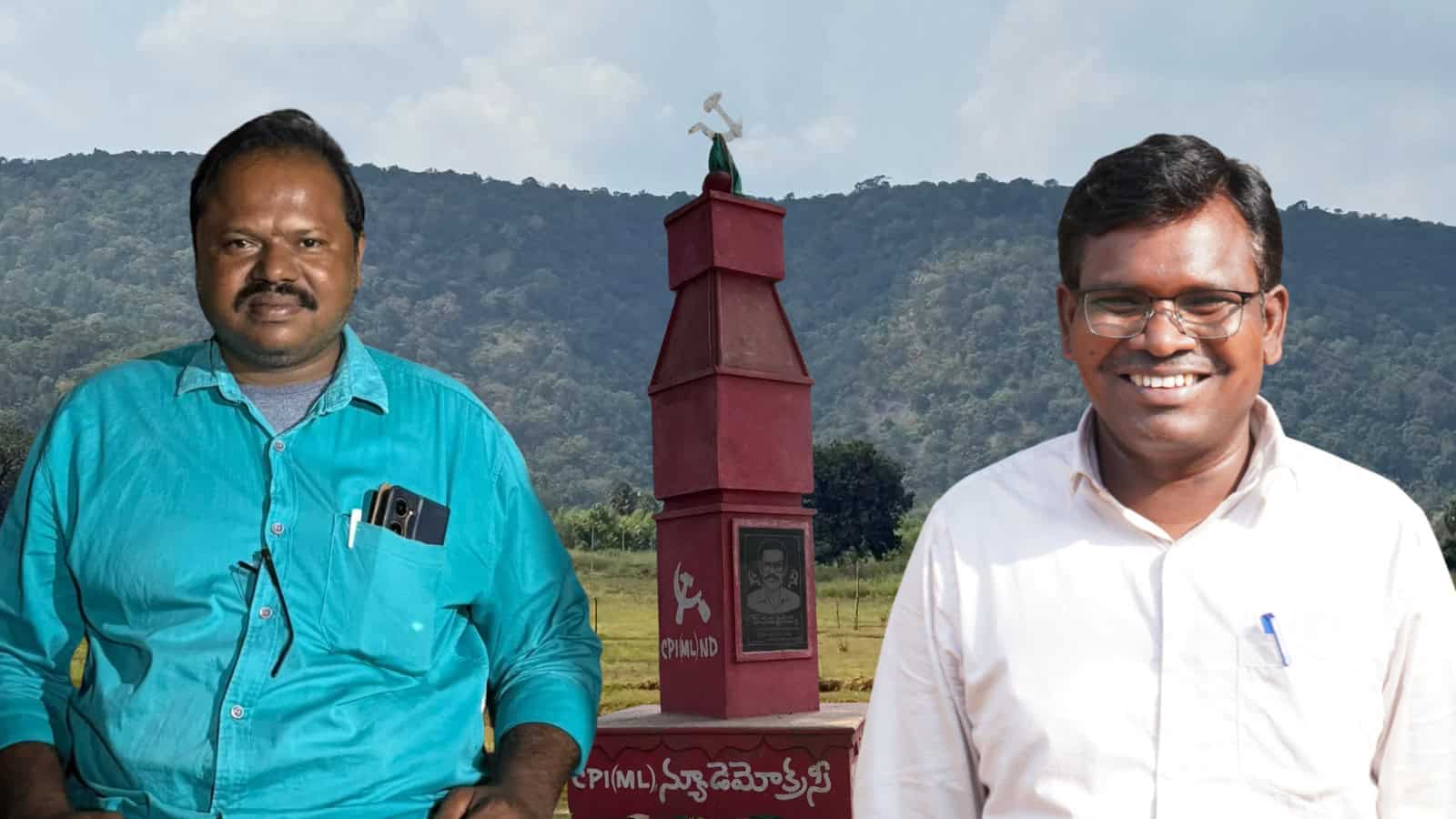
Bhadradri-Kothagudem: Former Maoist Tolam Gopi laughs when he talks about the roads in Bhadradri-Kothagudem. “The roads and the development that you see in the forests of this district are here because of us, one way or another,” said Gopi, once known as Gopanna in the Communist Party of United States of India (CPUSI).
“The world-class roads that you see in Kanchanapally, Sayanapally or Damaratogu were built to eliminate us and build mines here. In that way, we are responsible for all of this.”
Behind the joke is a grievance.
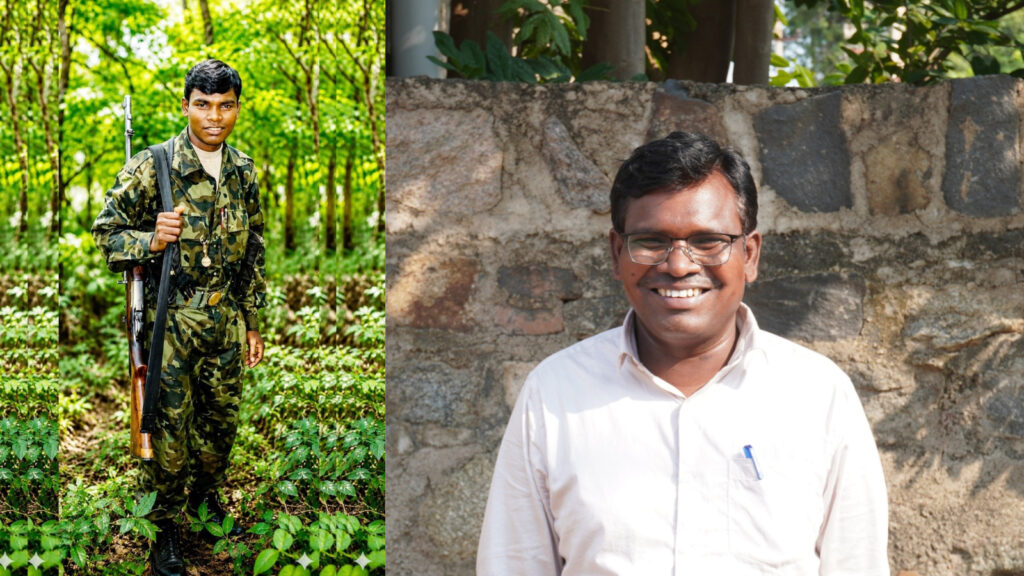
“The government promises a lot of incentives when it comes to surrender. We were told that every Naxalite who surrendered would receive a house and five acres of patta land. But I got only an acre and no land for a house, and that too after a lot of fighting,” he told Siasat.com.
“The land and houses seemed to be given out based on luck, or whether you became a traitor or an informant. I was neither, so there was no incentive for them to give me anything. I had to fight, like many others, for whatever was promised.”
Of the former Maoist cadres Siasat.com spoke to, three got the full five acres and a house, and possess both. One got part of it after a fight, and another got nothing. Those still waiting say cases against them, some from their days as dalam commanders, stand in the way.
One man never surrendered. On paper, he is an ordinary civilian, though his old comrades know otherwise. He farms his family’s land.
How and why they joined the Maoist movement
Koram Venkateswarulu, known as Ganeshanna, said people forget how violent politics in Telangana’s forests once was, with Congress, Community Party of India (Marxist) and, later, the Telugu Desam Party (TDP) workers clashing. Tribal and marginalised communities in undivided Andhra Pradesh, he said, felt they had to protect themselves.
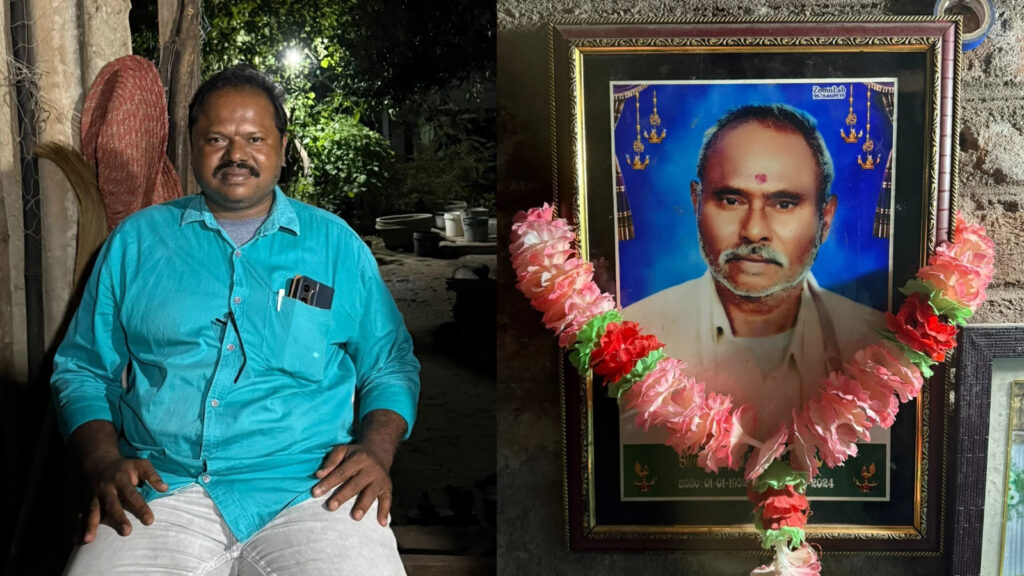
Like most Koya youth, he met these ideas early. At a government college in Kothagudem, where he studied Intermediate, he was in the National Cadet Corps (NCC). Many upper-caste students were picked for the Independence Day parade in Delhi. He was not.
“It made me realise that, no matter what I did, my caste identity would not escape me,” he told Siasat.com.
He joined the Progressive Democratic Students’ Union (PDSU) and began to see the problems of tribal communities in what was then Khammam district. Maroju Veeranna, who later founded the CPUSI, argued that class and caste struggles had to go together. That idea convinced him the injustice done to him, and to thousands like him, could be addressed, and took him to the CPI(ML) Janashakti.
He was given a dalam, an armed squad, of 20 and sent to West Godavari. He faced hostility from political parties and the police, and only the hope of improving people’s lives kept him going.
Going near a river or pond could get them killed, so they squeezed mud for water. They slept on tarpaulin, kept moving and could not light a fire even in the cold. Night combing by the police and the Greyhounds, the elite anti-Maoist force, was the biggest danger. Informants and psychological pressure were constant.
He blames Nayeemuddin, a Maoist-turned-police informer, for several comrades’ deaths. “The police, being the police, also killed Nayeem when he was no longer necessary,” he told Siasat.com. Of the 20 in his dalam, 14 were killed.
Why they left
Arrested in 2006, Venkateswarulu had to leave the party and chose not to go back. He no longer believed in armed struggle and he had seen how far the state would go to end it, from informant networks to encounter killings.
Deserters seen as traitors are usually punished, he said. “They realised I was not a threat and just wanted to live my life.”
For Gopi, the reasons were similar. “Most of us who left the party did so because we realised that staying in the jungles was not the solution to protecting our land. The government was using every means at its disposal to get rid of us, and fighting the state required more than a gun. That is why I left the movement,” he said.
“I also had to leave because I was shot near my spine. When you come that close to death, it is impossible to go back.”
He then joined the CPI(M). “We joined the movement because we wanted the upliftment of minorities and the betterment of society as a whole. I joined the CPI(M) because its ideology aligned with mine and I could have its support when the police questioned me or tried to implicate me in cases I was not involved in,” he said.
“If there is a theft, another Naxalite in the area or any small incident, the police trouble us by asking us to come to the station. It is a way for them to exert their power over us.”
He still has hope. “It sometimes feels all too heavy when you see the state of things. But there is hope with the new generation, especially Gen Z. The protests in Delhi after the NEET paper leak and the way the injustice surrounding the Special Intensive Revision (SIR) is being challenged by young people today are very inspiring.”
He has one request. “If there is anything good that could come out of this article, let it be that the government fulfils the promises it made to surrendered Naxalites about land and homes. We gave our lives up for the service of the people, but in the end, we have no wealth, nothing to give our children and nothing to sustain ourselves with. Unlike in the city, we cannot live without land.”
‘Did I sacrifice my youth?’
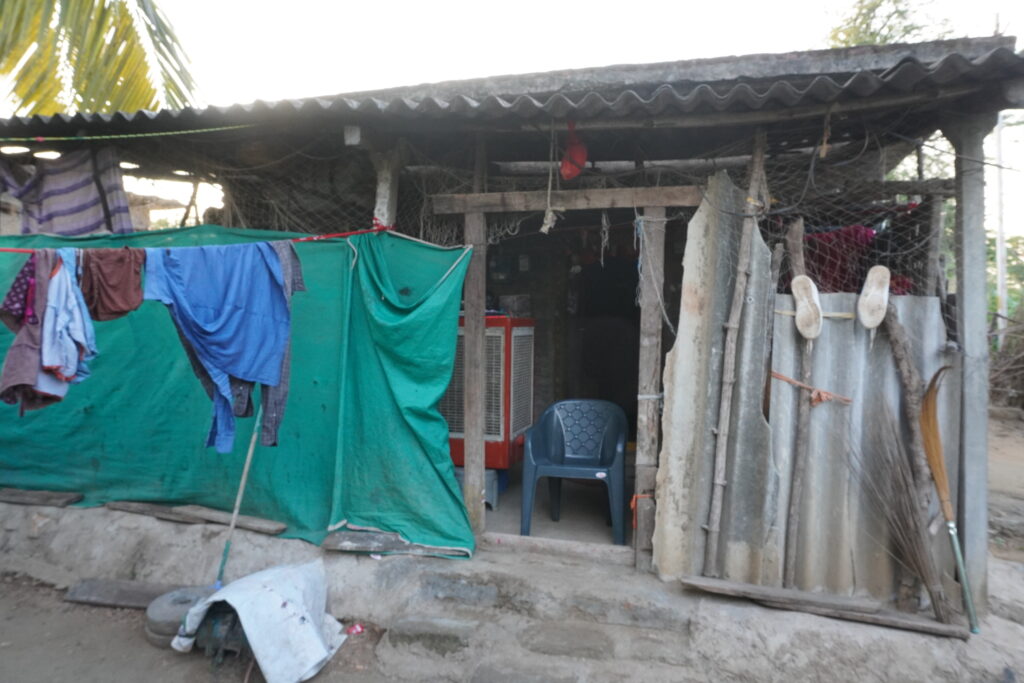
Venkateswarulu, now with the CPI(ML) New Democracy, sometimes wonders if it was worth it. Capitalists out to make a quick buck still run the state, he said. Caste discrimination continues, the government ignores people like him and Koya people here have forgotten their language. When his son nearly died of illness, no one helped.
He spent his youth helping people get podu land for shifting cultivation, negotiating with the state and the Forest Department, running medical camps, settling disputes that would have taken years and lakhs of rupees in court and fighting capitalists who wanted the forest’s resources.
“But when I remember my comrades who were killed by the police, I remember that I cannot give up,” he told Siasat.com. “It keeps me awake at night, but it also keeps me going.”
The foot soldiers
Venkateswarulu and Gopi led dalams and later entered politics. The rank and file fared differently.
“When we were in the dalam, that was the only way for us to make our voices heard. Otherwise, no one listened to us in the forests,” said Mallesh (name changed), a former CPI(ML) New Democracy cadre. “Whether we lived or died, whether the seth gave us a fair price for our harvest, whether we had water or not, no one cared. Even today, Mission Bhagiratha, which is supposed to provide water across Telangana, does not reach us in the way we need it to.”
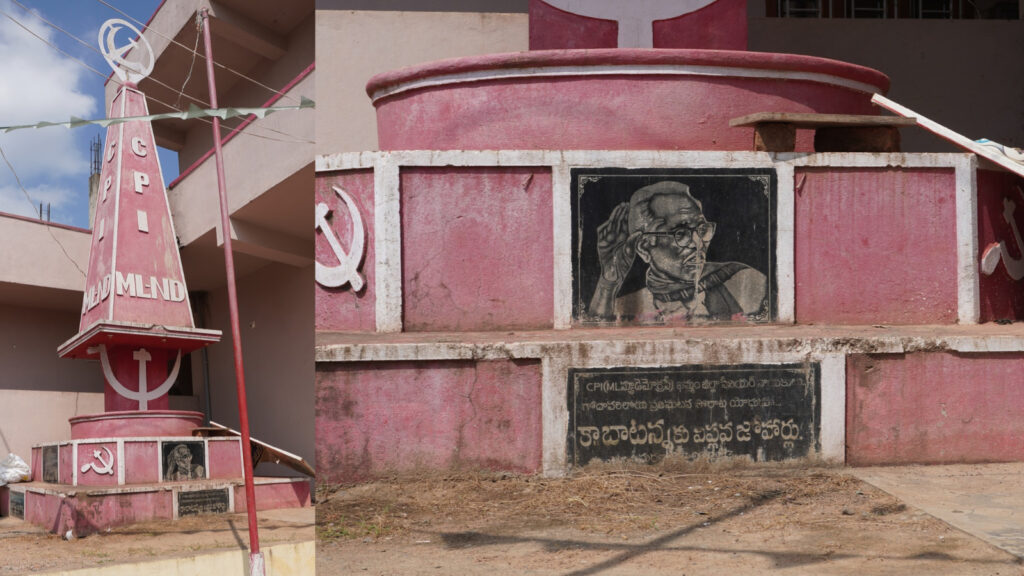
Linganna, a CPI(ML) New Democracy leader, was killed in the Gundala forests in July 2019. The police said he died in an exchange of fire. His party said he was captured and killed.
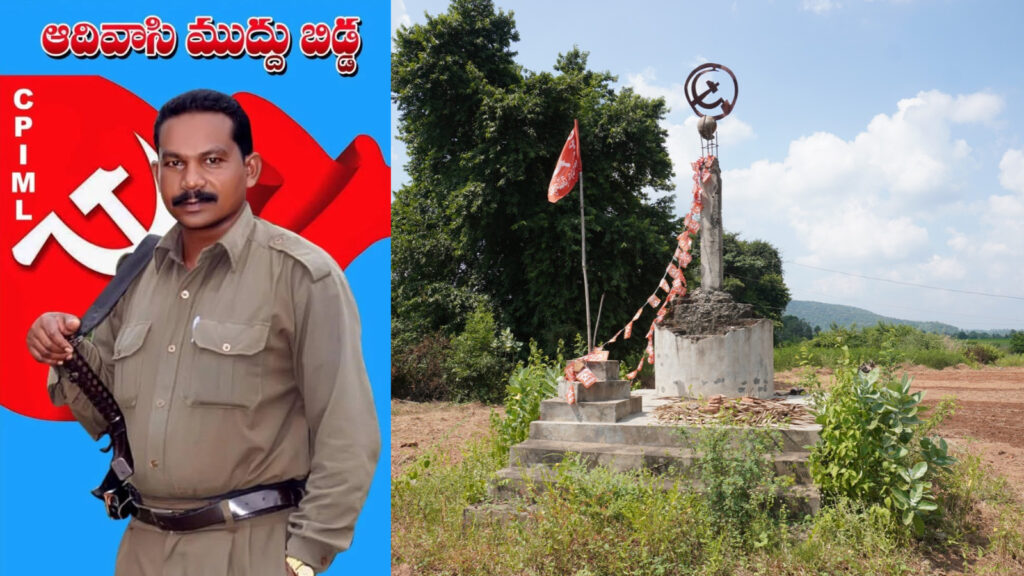
“Now, after Linganna’s death, they have declared that mining will start in the forests here, and of course none of that coal wealth will come to us,” Mallesh told Siasat.com. “I mean, you have seen the state of the lake on the way here. It is so dry and yet this mandal has not been declared drought-prone. Nor is there a state agency taking care of our plight.
“But when it comes to extracting our resources and selling them off, they somehow find their way to these places, no matter how remote they are. Sometimes I keep thinking that if only I had a gun, they would listen. But what can I do now? There are no dalams here anymore. In that way, we will forever remain voiceless.”
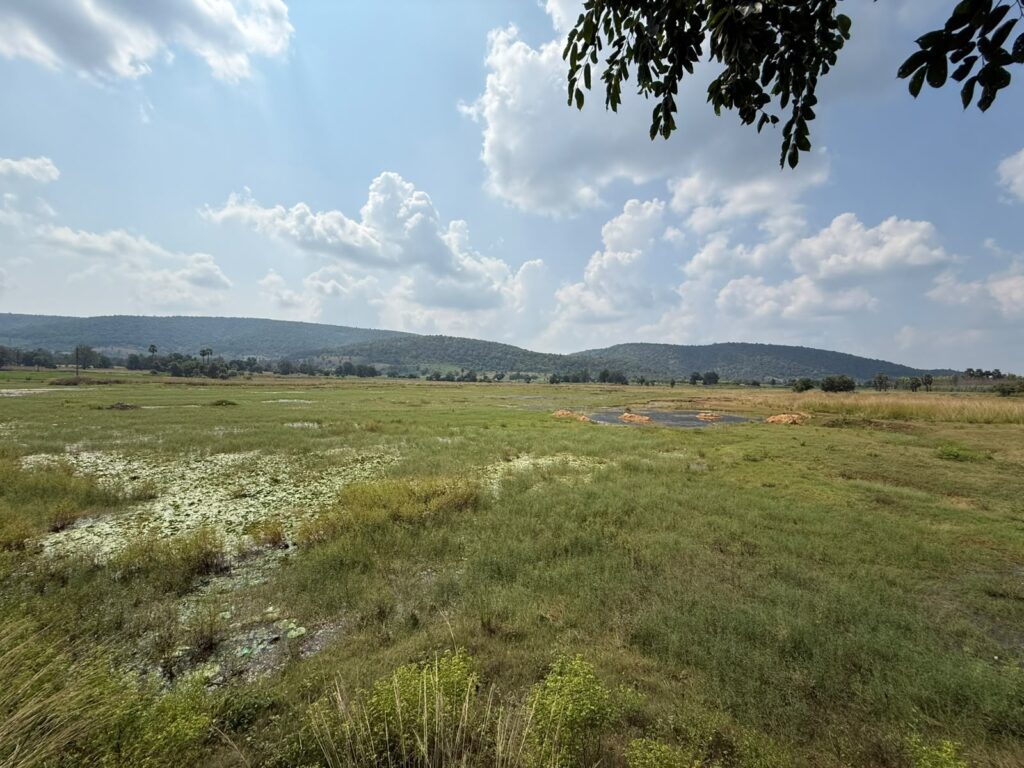
He counts himself among the fortunate. “I was lucky enough to get my five acres of podu land and a home, but this is not the case for many of my comrades. Another man in this village managed to get the same, but this is not true for all of us.”
Beyond the movement
Families outside the movement have suffered too. In April 2017, forest officials and police entered Devunigutta, a Gotti Koya hamlet in the then Jayashankar Bhupalpally district. They beat residents and cattle, took goats and destroyed homes. That September, at Jalagalancha in the same district, women resisting eviction were tied to trees, children dragged out and the homes of about 40 families bulldozed. Officials said the families were illegally on forest land.
Such incidents rarely stay in the news and tribal communities have few ways to be heard. So, what does victory over the Maoists mean? The state may have won militarily, but not necessarily people’s hearts and minds.
The land the Maoists helped people claim is still farmed. But mining is coming and basic services are still missing. Could the conditions that gave rise to the insurgency return?
Get the latest updates in Hyderabad City News, Technology, Entertainment, Sports, Politics and Top Stories on WhatsApp & Telegram by subscribing to our channels. You can also download our app for Android and iOS.
This content is published by The Siasat Daily and has not been created or edited by Hello Headlines. View original