Chhath Puja 2026: Know The Significance Of Gur Ki Kheer And Roti As Kharna Prasad
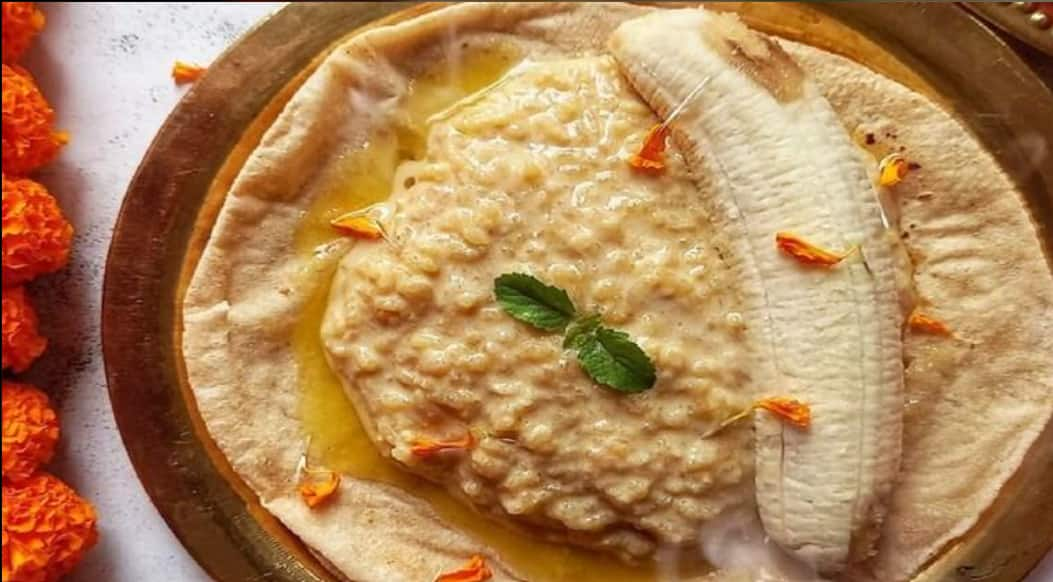
Chhath Puja is a four-day festival dedicated to the worship of the Sun God and Chhathi Maiya. The second day of the festival is observed as Kharna, also known as Lohanda. It is considered an important part of the celebrations, as devotees observe a day-long fast and prepare themselves for the rigorous 36-hour Nirjala Vrat (fasting without food and water).
On this day, devotees observe a fast throughout the day and break it only after sunset by consuming the traditional Kharna prasad. The offering usually consists of jaggery kheer, also known as Rasiyaw, and wheat roti prepared using specific traditional methods. After consuming the prasad, devotees begin their 36-hour fast, which continues until the morning of the fourth day, following the Usha Arghya.
Kharna 2026: Meaning And Religious Significance
The word 'Kharna' is associated with purification and cleansing. The ritual is considered a symbol of physical and mental discipline, devotion and self-purification.
Following the Nahay Khay ritual, Kharna marks the stage when devotees prepare themselves mentally and physically for the challenging 36-hour fast. It is believed to encourage people to give up impurities, control their desires and follow a pure and sattvik lifestyle.
The day holds special importance because devotees begin the most rigorous phase of Chhath Puja after consuming the Kharna prasad in the evening.
ALSO READ | Choti Diwali 2026: Why Are 14 Diyas Lit On This Day? Know The Significance And Right Placement
Why Is Jaggery Kheer And Roti Prepared As Kharna Prasad?
The Kharna prasad is prepared using traditional ingredients and specific cooking methods. Jaggery kheer and wheat roti are the main offerings made on this occasion. Devotees follow certain customs while preparing these dishes.
Jaggery Kheer (Rasiyaw): The traditional kheer is prepared using newly harvested rice, cow's milk and jaggery. Unlike regular kheer, sugar is not used in this preparation. According to religious beliefs, jaggery is considered a symbol of purity and is associated with the Sun God.
Ghee-Coated Roti: Wheat flour is used to prepare rotis, which are then generously coated with pure desi ghee. These rotis are served along with jaggery kheer as part of the traditional prasad.
Traditional Cooking Method: The prasad is traditionally prepared on a new earthen stove using dried mango wood instead of a gas stove. This method is considered an important part of the ritual and reflects the traditional practices followed during Chhath Puja.
Apart from their religious significance, these ingredients also provide energy before devotees begin their extended fast. Jaggery, milk, ghee and whole wheat are considered energy-rich food items.
ALSO READ | Diwali 2026 Lakshmi Puja Muhurat: Check City-Wise Timings For Delhi, Mumbai, Kolkata And Other Cities
Why Is Kharna Prasad Consumed Only After Sunset?
According to religious beliefs and traditional practices, Kharna prasad is consumed only after sunset. Devotees wait until the Sun God sets before beginning the evening rituals.
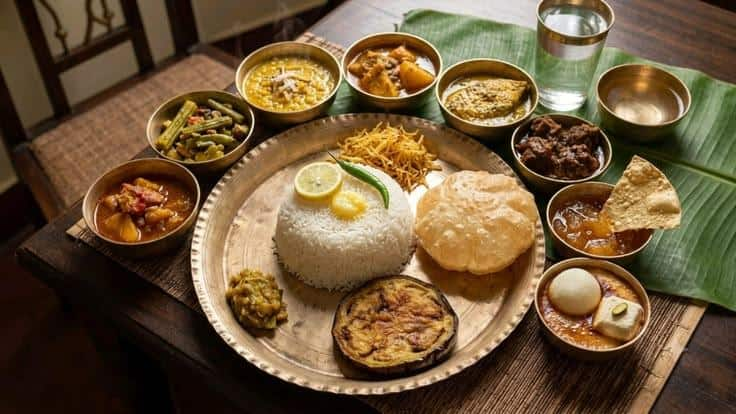
After sunset, the prasad is arranged on a banana leaf in the place of worship and first offered to Chhathi Maiya and the family deity. Devotees consume the food only after completing the offerings.
Once the prasad is consumed, devotees give up both food and water and begin their 36-hour Nirjala Vrat. The fast continues until the fourth day of Chhath Puja, when devotees offer Usha Arghya to the rising Sun.
Why Is Complete Silence Maintained While Eating Kharna Prasad?
One of the important traditions associated with Kharna is maintaining complete silence while consuming the prasad. According to popular beliefs, devotees should sit in a separate room and eat their meal without any disturbance.
Family members are expected to avoid conversations, loud noises or activities that may interrupt the devotee while eating.
What Happens If There Is Noise During The Meal?
According to traditional beliefs, if a devotee hears a loud noise, shouting or the sound of utensils falling while consuming the Kharna prasad, they are expected to immediately stop eating. Even if they have consumed only one or two bites, they should wash their hands and leave the meal. They are not supposed to resume eating or drinking afterwards.
This practice is considered a symbol of complete devotion, concentration and dedication. Maintaining silence allows devotees to focus entirely on their prayers and religious observances without being distracted by worldly activities.
[Disclaimer: The information provided here is based solely on beliefs and information. It's important to note that ABPLive.com does not endorse any beliefs or information. Consult a relevant expert before acting on any information or information.]
This content is published by ABP Live - Lifestyle and has not been created or edited by Hello Headlines. View original