
Delhi AQI Hits 421 Near AIIMS: How Breathing Toxic Air Can Put Your Heart At Risk
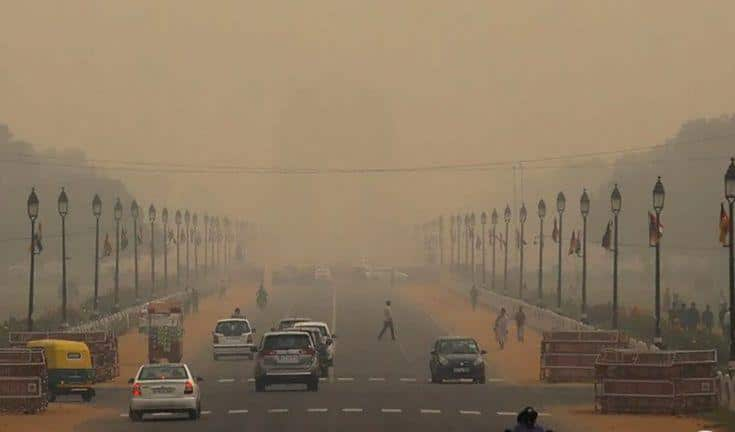
Delhi's worsening air quality has raised fresh health concerns after the Air Quality Index (AQI) around the All India Institute of Medical Sciences (AIIMS) reached 421, placing it in the 'Severe' category, according to the Central Pollution Control Board (CPCB). A video shared by news agency ANI on X showed the prevailing pollution conditions in the national capital, highlighting the growing concern over exposure to toxic air.
With pollution levels entering the severe range, the health risks extend beyond people already suffering from respiratory illnesses. According to CPCB's National Air Quality Index classification, an AQI between 401 and 500 can affect even healthy individuals, while people with existing respiratory and cardiovascular conditions face more serious health impacts.
#WATCH | Delhi | Air Quality Index (AQI) around AIIMS is 421, categorised as 'Severe', as per the CPCB (Central Pollution Control Board). (Visuals shot at 07:19 am) https://t.co/GjUNOlIcsN
— ANI (@ANI) November 8, 2026
How Does Severe Air Pollution Affect Your Lungs?
Breathing polluted air exposes the respiratory system to harmful particles and gases. Fine particulate matter, particularly PM2.5, is small enough to travel deep into the lungs and can enter the bloodstream.
Prolonged exposure can contribute to airway inflammation, reduced lung function and worsening respiratory symptoms. People may experience coughing, wheezing, breathlessness, throat irritation and chest discomfort. Those with asthma, bronchitis and chronic obstructive pulmonary disease (COPD) may experience worsening symptoms.
Can Toxic Air Increase The Risk Of Heart Problems?
Air pollution is not just a respiratory health concern. Fine particulate matter can also affect cardiovascular health by triggering inflammation and putting additional stress on the heart and blood vessels.
Exposure to polluted air has been associated with an increased risk of heart-related complications, particularly among people with existing cardiovascular conditions. Those with heart disease should be especially careful during severe pollution episodes and watch for symptoms such as chest discomfort, unusual breathlessness and palpitations.
ALSO READ | Cancer Drug Prices Reduced In India: 120 Medicines Get Cheaper, Patients May Save Rs 3,357 Crore
Who Is Most Vulnerable To Severe Air Pollution?
Although severe pollution can affect everyone, certain groups are more vulnerable to its health consequences. These include:
-
Children: Their developing lungs and higher breathing rates can make them more susceptible to air pollution.
-
Older adults: Age-related health vulnerabilities can increase the risk of respiratory and cardiovascular complications.
-
Pregnant women: Exposure to air pollution during pregnancy is a health concern and requires additional precautions.
-
People with asthma and lung diseases: Polluted air can trigger breathing difficulties and worsen existing respiratory conditions.
-
People with heart conditions: Exposure can aggravate existing cardiovascular problems.
The Ministry of Health and Family Welfare's health advisory on air pollution identifies children under five, older adults, pregnant women and people with pre-existing respiratory or cardiovascular conditions as high-risk groups.
ALSO READ | Doc Talk | Kidney Stones: Is Drinking Eight Glasses Of Water Enough To Prevent Them?
How To Protect Your Health When AQI Is In The Severe Category
With the AQI around AIIMS reaching 421, reducing exposure to outdoor pollution becomes particularly important. The Ministry of Health and Family Welfare recommends taking precautions during high-pollution episodes.
Here are some measures to consider:
-
Avoid outdoor exercise: Postpone jogging, running, cycling and strenuous outdoor workouts while pollution levels remain severe.
-
Limit outdoor exposure: Avoid unnecessary outdoor activities, particularly for children, older adults and people with existing health conditions.
-
Wear a well-fitted N95 mask: If stepping outside is unavoidable, a properly fitted N95 or equivalent respirator can help reduce exposure to airborne particles.
-
Keep indoor air cleaner: Keep windows and doors closed when outdoor pollution is high, and consider using an air purifier if available. Avoid indoor activities that generate smoke.
-
Follow prescribed medication: People with asthma, COPD or heart conditions should keep their prescribed medicines accessible and follow their doctor's advice.
-
Watch out for symptoms: Persistent coughing, wheezing, breathlessness or chest discomfort should not be ignored. Seek medical advice if symptoms appear or worsen.
As Delhi continues to face hazardous air quality, limiting exposure and taking preventive measures are important to protect respiratory and cardiovascular health. Checking local AQI updates before planning outdoor activities can also help people make safer decisions.
[Disclaimer: The information provided in the article is intended for general informational purposes only. It is not a substitute for professional medical advice, diagnosis, or treatment. Always seek the advice of your physician or other qualified healthcare provider with any questions you may have regarding a medical condition.]
This content is published by ABP Live - Health and has not been created or edited by Hello Headlines. View original