In ‘Maoist-free’ Telangana, a village still mourns its rebels
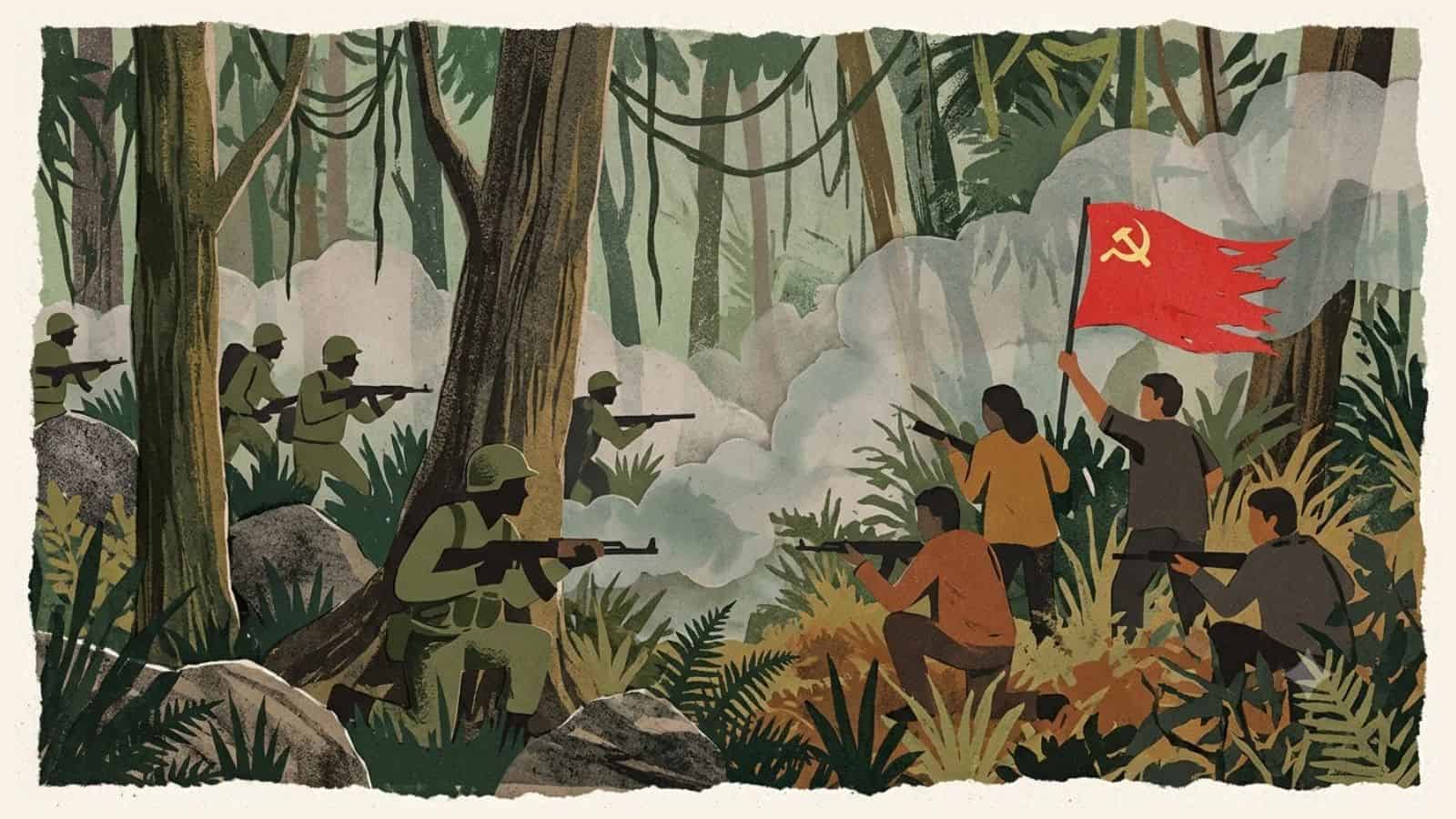
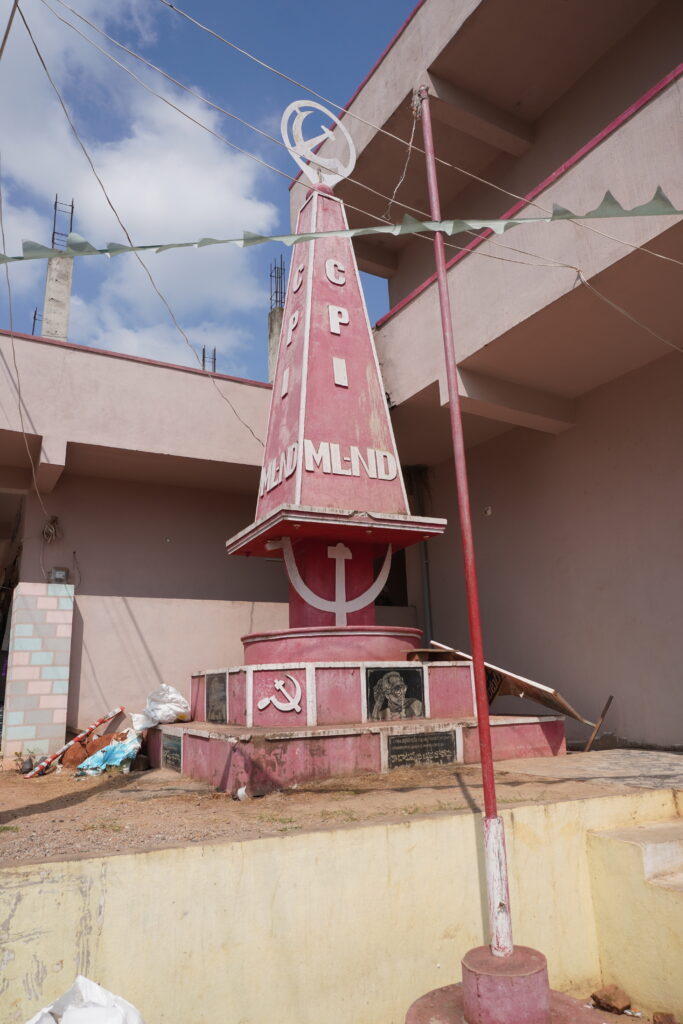
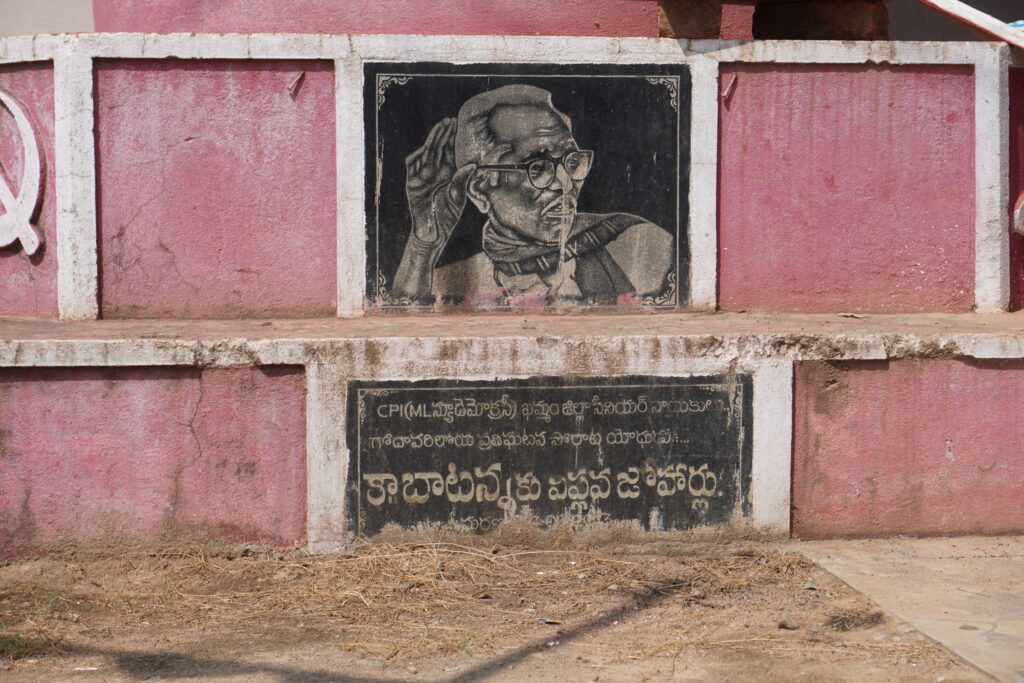
Bhadradri-Kothagudem: In Rollagadda, a Koya village deep in the forests of Telangana’s Bhadradri-Kothagudem district, residents once built a stupa for a dead man. The police, they say, tore it down overnight.
The man was Punem Linganna, a Communist Party of India (Marxist–Leninist) New Democracy leader killed in the forest near the village on July 31, 2019. The stupa stood on his family’s land. It has been left vandalised ever since.
“We tried to tell them that they had no right to destroy a stupa on private property, but nobody listened,” a villager, who did not want to identified, told Siasat.com. “How much fear can the legacy of a man who is already dead inspire for the police to destroy his memorial?”
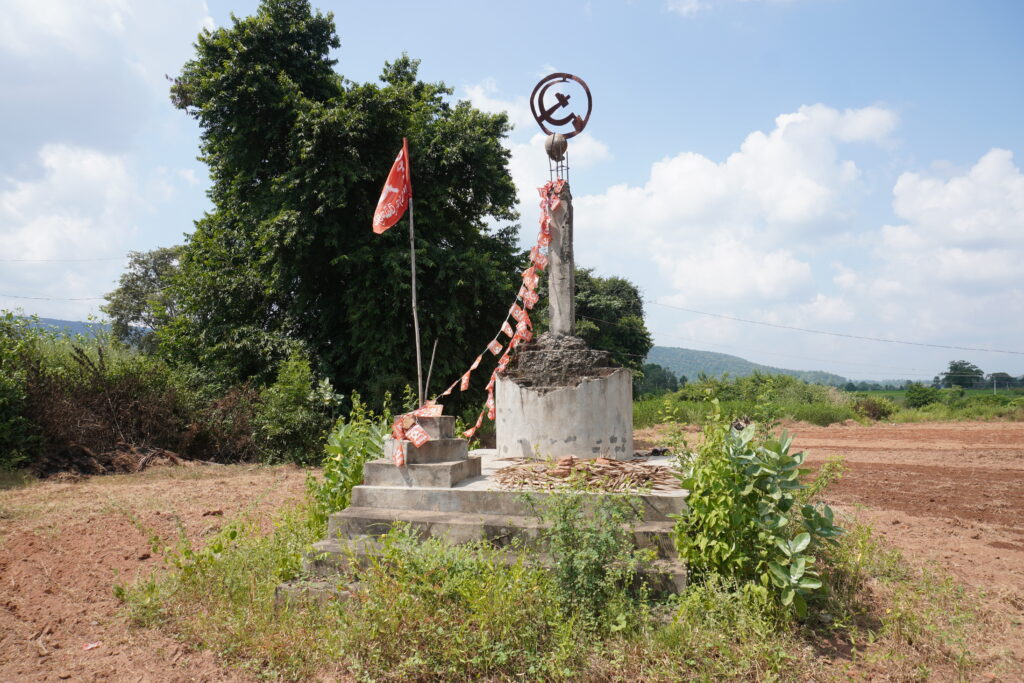
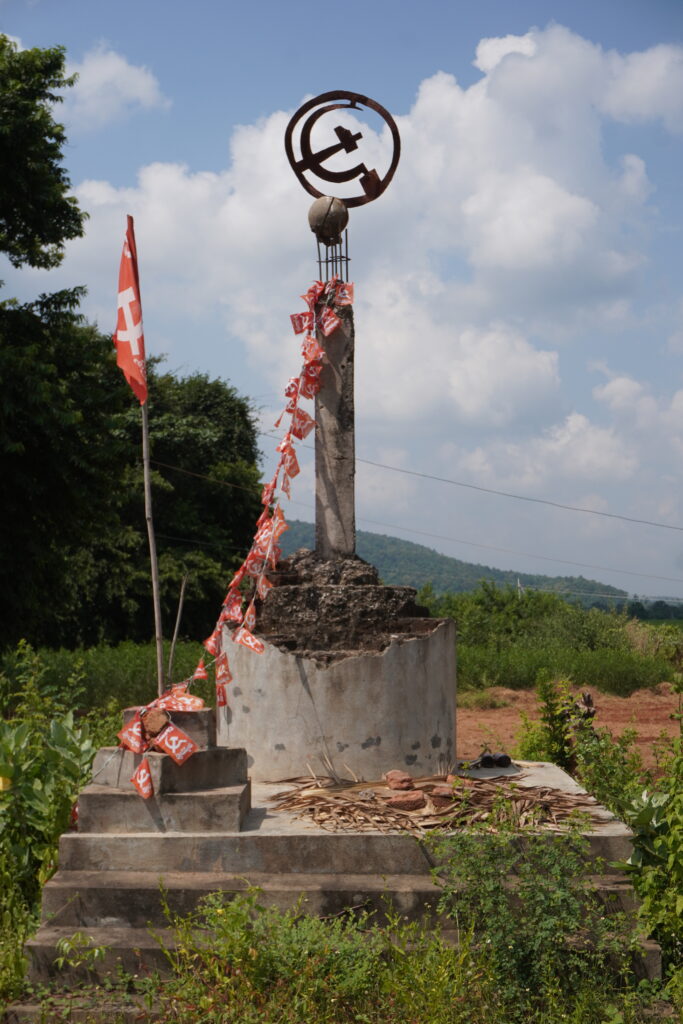
Seven years on, Linganna is still at the centre of how this village, about five kilometres from Gundala town, talks about the state. Residents say they have had no mobile signal since the protests that followed his killing. They have one trader to sell their harvest to. And the forest land that officials once said they had no right to farm may soon be dug up for coal.
The government says the insurgency that once held sway here is over. Union Home Minister Amit Shah told the Lok Sabha on March 30 this year, a day before his own deadline, that India had become Maoist-free. In June, Telangana Director of General (DGP) CV Anand announced that the Greyhounds, the state’s anti-Maoist force, would be scaled down because Maoists had been eradicated in the state. A month later, he said Maoist activity had declined but had not been entirely eliminated.
In Gundala, many villagers remember the Maoists less as insurgents than as the people who got things done.
‘Because of Linganna’
“Linganna was a brave man. Because of him, we were able to clear more podu land and get pattas for cultivation. We did not have to worry about the Forest Department coming to seize our land while he was alive,” a Rollagadda resident told Siasat.com.
Like most people quoted here, he asked not to be named, citing the police cases villagers already face. “That is why the police killed him. He was killed early in the morning. His body looked as though he had been tied up and tortured. We could see marks of injuries, and it shocked all of us.”
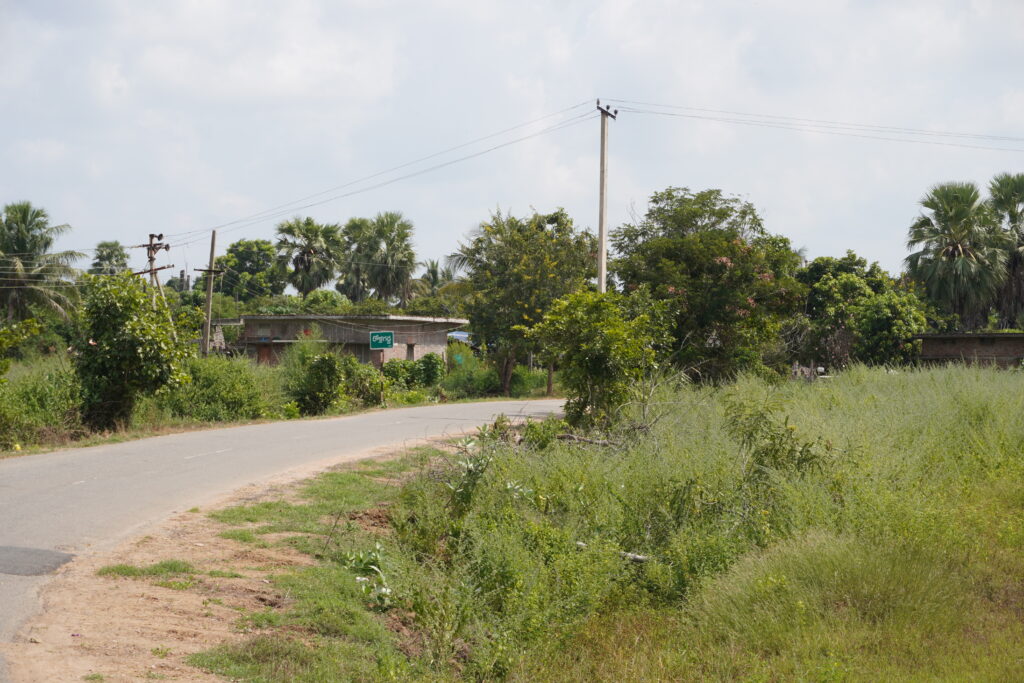
The police maintain that Linganna died in an exchange of fire. The then Superintendent of Police, Sunil Dutt, said he was carrying a self-loading rifle and had cases of extortion and murder against him going back more than a decade. Linganna’s son, Hari, said at the time that the body bore marks of torture, and the Civil Liberties Committee filed a case alleging a fake encounter. A second post-mortem was conducted in August 2019.
To residents, Linganna was more than a party leader. He kept the Forest Department at bay, settled disputes between families, advised people on voting and explained their rights. He also bargained with Seth Malana Venkateswarulu, who villagers say is the only trader buying farm produce in the mandal. Gundala has a government agricultural sub-market, but residents say it does not function.
Venkateswarulu declined to speak to Siasat.com. Some residents added that sand for building houses, and other essentials, were easier to get when the Maoists were influential.
After Linganna’s death, villagers protested against the police. Many now face cases from that time, and they were unwilling to discuss any legal proceedings. “We don’t want to dig this up. There are already a lot of cases against us villagers. We don’t want any more,” one resident said.
The protests had another lasting effect. Section 144 was imposed in the mandal in August 2019, and residents say mobile services in Rollagadda and nearby villages stopped working around the same time. The order was later lifted, but they say the signal never returned. Staying in touch with people outside, or using services that now run online, remains a struggle.
‘No check dams, nothing’
Tolam Gopi, a former Maoist, is now the sarpanch of Gundala and a member of the CPI(M).
“There is still only one seth here, and there are no functional markets where farmers can sell their produce. When the Naxalites were here, we could negotiate on behalf of the people. We cannot do that anymore,” he said.
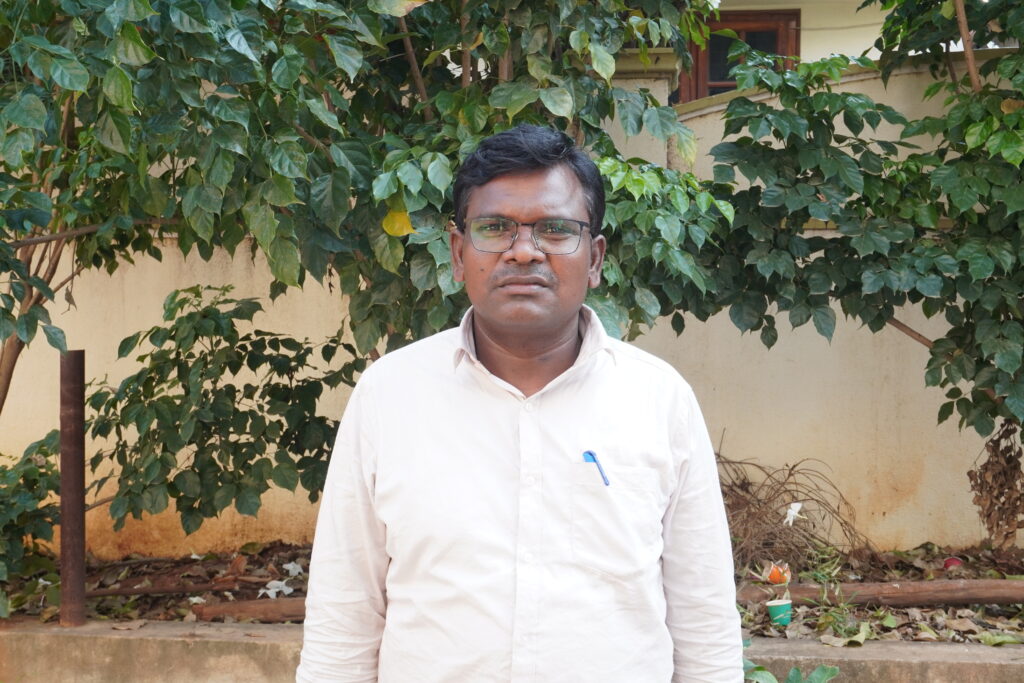
“The situation in Gundala is particularly poor when it comes to irrigation. We have the Kinnerasani river, but there are no projects on it. We also have smaller streams, such as Edumullakalawagu, Mallannawagu and Bandirevu, which flow seasonally. There is nothing built on them to harvest and store the water. No check dams, nothing.”
“The situation feels even more difficult when you learn that the entire mandal has just one doctor and two nurses,” Gopi added with a laugh. “The poor fellow must feel all alone out here.”
The villages here are remote, and residents described wide gaps in basic infrastructure. Across much of the district, villages away from the larger settlements along the highways lack adequate streetlighting. Schooling is thin too.
Gundala has a Mandal Parishad Primary School, and Ekalavya schools serve some surrounding areas, but depending on the village, children travel five to 10 km to reach them. Residents complained of staff shortages and poor facilities. They also credit the Maoist years for the value their communities place on education.
‘They made sure we were treated fairly’
Sanjay, a young Koya man, said life was much easier when the Maoists were active. “One of the biggest benefits was that we did not have to fear the Forest Department. It was also easier to resolve civil disputes. Now, going to court is expensive and tiring. The nearest court is in Yellandu, and cases take a long time to resolve,” he told Siasat.com.
Sanjay also misses how people stood together. “We were united, regardless of our differences. Now, politics is about allegiance to a party rather than to the people, and we are seeing these kinds of conflicts here for the first time.”
The memory is not confined to Gundala or to the Koya. “The time of the Maoists was easier for us in the forest,” Devi, a Lambadi woman from neighbouring Yellandu mandal, told Siasat.com. “We had access to facilities at low costs, which we now have to pay a lot more for. Take sand or fertiliser, for example. Everything is much more expensive now. When the Maoists were here, they made sure we were treated fairly. Now, everything is about who has the money.”
Residents described how the Maoists shaped access to podu land, sand and local justice, sometimes distributing essential materials themselves and negotiating prices to keep goods affordable.
Their fondness for the Maoists does not mean villagers back everything the movement did. But several said they saw its violence as justified, because they had no other way to be heard or to secure their rights.
Coal under the podu
In 2019, the year Linganna was killed, the Singareni Collieries Company Limited (SCCL) carried out exploratory surveys around Rollagadda. Villagers say coal was found and that Linganna had opposed the mining. Documents reviewed by Siasat.com refer to proposed open-cast mines at Kachapally and Mamakannu, and to roads sanctioned for the projects.
For people who spent years fighting the Forest Department over podu, the contradiction is hard to miss. If clearing forest to farm was an environmental offence, they asked, why does the same concern not seem to apply to a coal mine?
Sanjay is not sure what the mines will bring. “The mines could be a boon or a bane. There is no way to know until they actually come here,” he said. “But it is difficult to trust the government.”
Get the latest updates in Hyderabad City News, Technology, Entertainment, Sports, Politics and Top Stories on WhatsApp & Telegram by subscribing to our channels. You can also download our app for Android and iOS.
This content is published by The Siasat Daily and has not been created or edited by Hello Headlines. View original