
Air Pollution May Increase Kidney Disease Risk; Know The Effects Of PM2.5 Exposure
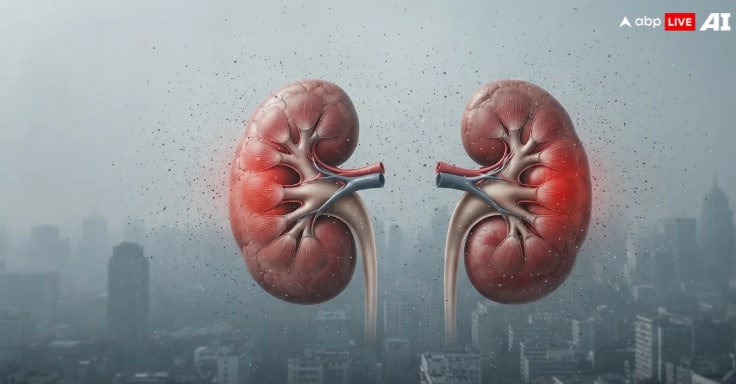
Rising air pollution is becoming a major health concern, with its effects extending beyond the lungs and respiratory system. Prolonged exposure to polluted air, particularly fine particulate matter such as PM2.5, may also affect kidney health and increase the risk of chronic kidney disease (CKD). According to health experts, tiny pollution particles can enter the bloodstream, trigger inflammation and oxidative stress, and potentially interfere with the kidneys' ability to filter waste from the body.
Dr Mohit Khirbat, Consultant - Nephrology at CK Birla Hospital, Gurugram, explained that air pollution is not just a respiratory health concern but can also have implications for kidney function. He highlighted how prolonged exposure to fine particulate matter may damage blood vessels and create conditions that affect the kidneys over time.
How Does Air Pollution Affect Kidney Health?
The kidneys play an important role in maintaining overall health by filtering waste products and excess fluids from the blood. However, continuous exposure to environmental pollutants may put additional stress on these organs.
PM2.5 particles are particularly concerning because of their extremely small size. When inhaled, these particles can enter the body and contribute to inflammation and oxidative stress. These processes may damage blood vessels and affect the kidneys' ability to filter waste efficiently.
Research has also identified a connection between long-term exposure to air pollution and a decline in kidney function. This suggests that the health consequences of breathing polluted air may extend beyond the respiratory system.
ALSO READ | Doc Talk | 5 Questions About HPV Vaccination And Screening Women Should Ask Their Gynaecologist
PM2.5 Exposure May Increase The Risk Of Kidney Diseases
Fine particulate matter, particularly PM2.5, has been linked to several health complications. Studies suggest that prolonged exposure to these particles may increase the risk of certain kidney conditions, including membranous nephropathy.
Membranous nephropathy is a kidney disorder that affects the filtering units responsible for removing waste from the blood. The condition can cause excessive amounts of protein to leak into the urine, potentially affecting normal kidney function.
This makes long-term exposure to polluted air a concern, particularly for people living in areas with consistently poor air quality.
What Does Research Say About Air Pollution And Kidney Disease?
A study published in the Journal of the American Society of Nephrology examined the relationship between environmental pollution and kidney disease.
The research included approximately 2.5 million people who did not have kidney disease at the beginning of the study. Their health was monitored for an average of 8.5 years, with researchers comparing health records against pollution levels in their surrounding environments.
The study also considered other factors that could influence kidney health, including age, gender, cardiovascular disease, diabetes, high blood pressure, smoking, obesity and socioeconomic conditions.
The findings highlighted several concerning associations:
- Every 10 micrograms per cubic metre increase in air pollution was associated with a 25-37 per cent higher risk of developing new kidney disease.
- The risk of a faster decline in kidney function increased by 36 per cent.
- The risk of kidney failure requiring dialysis increased by 31 per cent.
According to the research, pollution exposure during the study period was associated with approximately 45,000 new cases of chronic kidney disease and 2,438 people starting dialysis.
Studies From Other Countries Also Highlight The Connection
Research conducted in Taiwan and South Korea has also examined the relationship between particulate air pollution and kidney health.
These studies identified an association between increasing levels of particulate matter and declining kidney function. Higher exposure to air pollution was also linked to an increased risk of chronic kidney disease.
Similarly, research conducted in Europe found that even short-term exposure to high levels of air pollution could be associated with a decline in kidney function.
Together, these findings highlight the need to consider air pollution as a potential risk factor for kidney health.
ALSO READ | Panjab University Scientists Secure Patent For Quantum Dot Technology To Detect Harmful Bacteria In Water
How Can You Protect Your Kidneys From Air Pollution?
Completely avoiding environmental pollution may not be possible, particularly for people living in highly polluted cities. However, certain precautions can help reduce exposure and support overall kidney health.
According to Dr Mohit Khirbat, the following measures are important:
- Limit Outdoor Exposure: Avoid unnecessary outdoor activities when air quality is poor, particularly during periods of high pollution.
- Stay Adequately Hydrated: Drink sufficient water throughout the day to support normal kidney function, unless your doctor has advised you to restrict fluid intake.
- Control Blood Pressure: High blood pressure can affect kidney health, making regular monitoring important.
- Manage Blood Sugar Levels: People with diabetes should keep their blood sugar under control to reduce the risk of kidney complications.
- Pay Attention To Kidney Health: People with existing risk factors should consult a healthcare professional about appropriate kidney function tests and monitoring.
Air pollution is not just an environmental issue but also a growing public health concern. While more research is needed to establish the exact mechanisms and risks, existing findings suggest that prolonged exposure to polluted air may have implications for kidney health as well.
[Disclaimer: This article is based on research findings and expert opinions. It is intended for informational purposes only and should not be considered a substitute for professional medical advice. Consult a qualified healthcare professional for guidance regarding kidney health and treatment.]
This content is published by ABP Live - Lifestyle and has not been created or edited by Hello Headlines. View original