
Is One Glass Of Milk Enough? Know Your Daily Milk Requirement According To Age
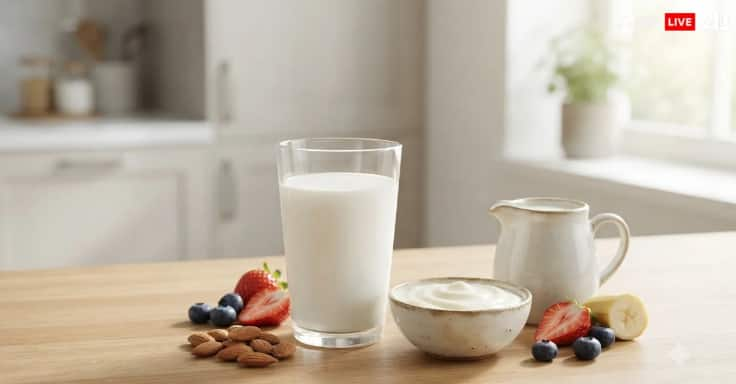
Milk is often considered an essential part of a healthy diet, thanks to its calcium, protein and other important nutrients. From supporting bone health to helping muscle development, drinking milk can offer several benefits. However, the amount of milk the body needs varies with age. While children require adequate nutrition for their growth and development, adults and senior citizens have different dietary requirements.
According to the National Institute of Nutrition's 2024 dietary guidelines, the recommended daily intake of milk and curd differs across age groups. Understanding these recommendations can help you include the right amount of dairy in your daily diet without overconsumption.
What Are The Health Benefits Of Drinking Milk Every Day?
Milk is a good source of calcium, which plays an important role in maintaining strong bones and teeth. It also contains protein, which supports muscle growth and helps repair body tissues.
Apart from calcium and protein, milk provides essential nutrients such as vitamin B12 and phosphorus. These nutrients contribute to several bodily functions and are particularly important during childhood and adolescence, when the body undergoes significant growth and development.
For adults and older people, milk and other dairy products, including curd, can help meet daily calcium and protein requirements. Regularly including suitable dairy products in a balanced diet can therefore contribute to overall nutritional health.
How Much Milk Should You Drink According To Your Age?
The amount of milk or curd recommended every day depends on a person's age and nutritional requirements. According to the National Institute of Nutrition's 2024 guidelines, the suggested daily quantities are as follows:
- Children Aged 1-3 Years: Approximately 350 ml of milk or curd per day.
- Children Aged 4-6 Years: Approximately 350 ml per day.
- Children Aged 7-9 Years: Approximately 400 ml per day.
- Adolescents Aged 10-18 Years: Approximately 400 ml per day.
- Adults: Around 300 ml per day for both men and women.
- Senior Citizens Above 60 Years: Approximately 400 ml per day.
Pregnant and breastfeeding women may also require higher quantities depending on their nutritional needs.
It is important to understand that these quantities refer to the overall dietary intake of milk and curd. They are not necessarily amounts that must be consumed entirely as plain milk. Individual nutritional requirements may also vary depending on health conditions and dietary patterns.
Should Babies Below One Year Drink Cow's Milk?
Babies below one year of age should not be given cow's or buffalo's milk as their main drink. During the first six months, breast milk is considered the most suitable source of nutrition for infants.
After six months, age-appropriate complementary foods can gradually be introduced alongside breastfeeding. However, parents should follow paediatric guidance when deciding their baby's nutritional requirements and introducing different foods.
Who Should Be Careful About Drinking Milk?
Although milk offers several nutritional benefits, it may not suit everyone. Some people experience digestive problems after consuming milk, including gas, bloating and loose motions. These symptoms may be associated with lactose intolerance, a condition in which the body has difficulty digesting lactose, the natural sugar present in milk.
People with a milk allergy should also avoid consuming milk and dairy products that trigger an allergic reaction. In such cases, consulting a doctor or qualified dietitian is important to identify suitable alternatives.
Is Drinking Milk Every Day Necessary?
Drinking milk every day is not compulsory for everyone. People who do not consume milk can obtain calcium and protein from other food sources, including curd, paneer and other calcium-rich foods.
The key is to ensure that the overall diet provides adequate nutrients. A balanced eating pattern that includes different food groups is more important than depending on a single food item to meet nutritional requirements.
Disclaimer: This article is based on available research and nutritional information. It is intended for general informational purposes and should not be considered a substitute for professional medical advice. Consult a doctor or qualified dietitian for guidance on your individual dietary requirements.
This content is published by ABP Live - Lifestyle and has not been created or edited by Hello Headlines. View original