How Bout India built a travel company without selling packages
Himanshu Maru started Bout India in 2013 with a simple bet: that international travellers to India wanted something built around them, not a fixed itinerary sold off a brochure. Thirteen years later, that bet has become the foundation of a distinctive inbound travel business.
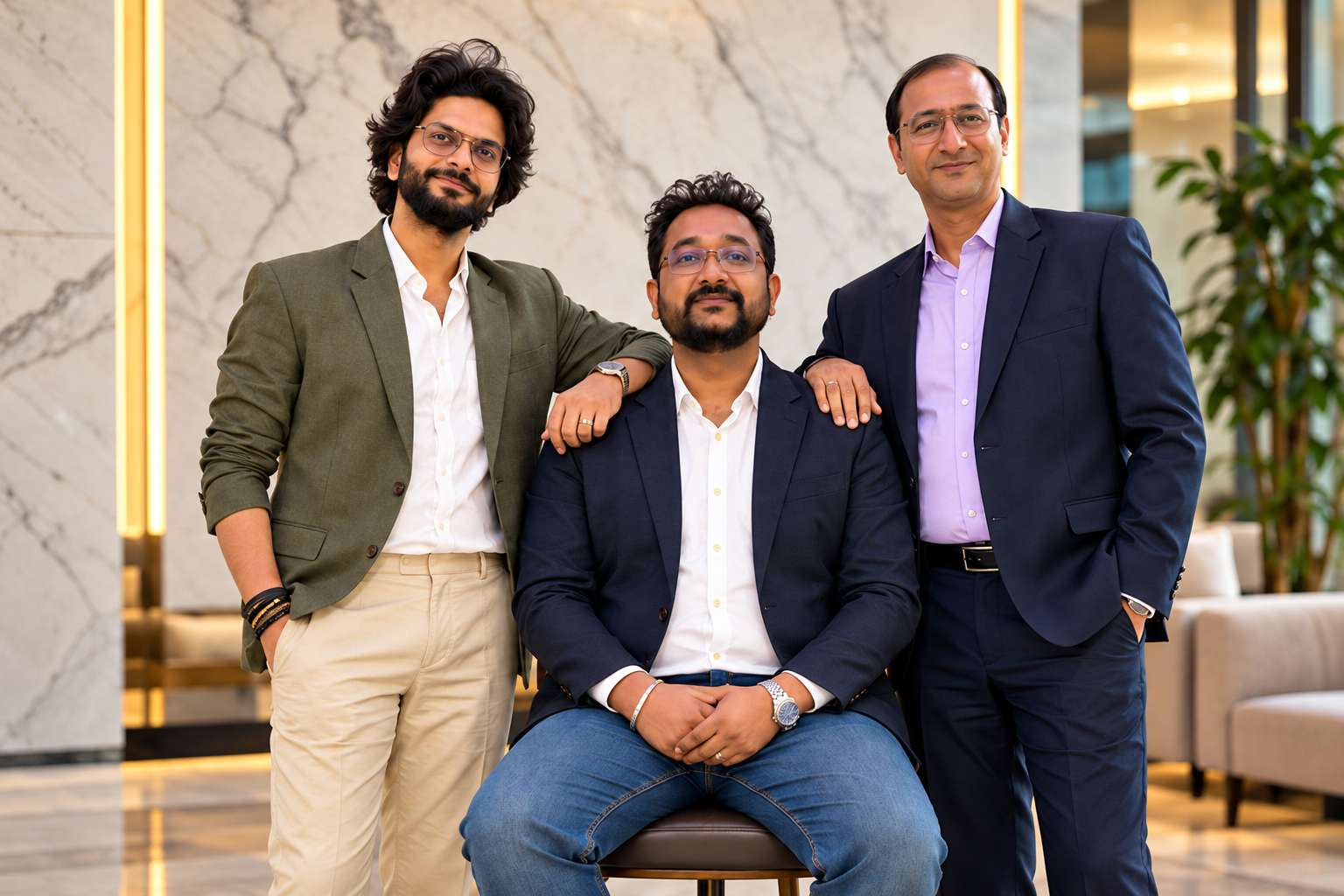
Most travel companies begin by asking how many packages they can sell. Bout India took a different route. Founded in Jaipur in 2013 by Himanshu Maru, Managing Director; Bhupender Rana, Director, Operations; and Vinod Jhajharia, Director, Marketing, the company built its offering around a simple proposition: international travellers visiting India should not have to fit themselves into a pre-designed itinerary.
Each journey is planned around the traveller’s interests, pace and practical requirements. The company’s model centers on 100% tailor-made trips, with no fixed group packages and a direct relationship between the traveller and the person responsible for planning the experience.
Why tailor‑made mattered more than packages
Planning a trip to India can be complex for a first-time international visitor. The country’s geographic scale, distinct cultural regions, transport options, and local logistics require decisions that go beyond booking flights and hotels.
A traveller interested in Rajasthan may want heritage sites and local experiences, while someone visiting Ladakh may need planning around altitude, road conditions, and acclimatization. A wellness traveller heading to Kerala may prioritize retreat quality and time for rest.
Maru’s founding insight was that travellers would value a company that removed this complexity while preserving the feeling that the journey belonged to them. Rather than selling a standard route, Bout India positioned itself as a planning partner.
That approach is reflected in the company’s Destination Expert model. Each client is assigned a named expert who manages the relationship from the initial enquiry through the trip.
Reviews published on the company’s website frequently mention individual team members by name. While testimonials are not independent audits of service quality, this pattern illustrates the personal accountability the company seeks to build into its operating model.
Zero negative reviews and repeat travellers According to Bout India’s reported company information, its traction includes:
- 4.9/5-stars average rating across 970+ reviews on TripAdvisor and Google Maps
- A claimed zero-negative-review and 100% happy-customer record
- Travellers served from over 50 countries
- References to repeat customers who have booked second or third trips
The distinction between company-reported claims and independently verified performance is important. Review platforms can change, ratings can fluctuate, and customer-satisfaction records should ideally be assessed through the underlying reviews. Nevertheless, the reported figures indicate the reputation Bout India has sought to build.
For a services business, repeat and referral behavior can be especially valuable. A returning traveller is placing trust in the company’s ability to understand their preferences and deliver consistently.
Keeping personal involvement at the core
Bout India’s positioning continues to emphasize founder involvement. Company testimonials reference Maru personally checking in with clients, responding to concerns, and remaining involved in the travel experience.
Its Destination Expert structure combines individual ownership with a broader team. The company has also expanded across categories, including heritage travel, luxury experiences, wellness and Ayurveda retreats in Kerala, high-altitude adventure travel in Ladakh and Spiti, wildlife safaris, spiritual circuits, honeymoon and family travel, and corporate/MICE travel.
Why bespoke journeys beat standardized tours
Bout India’s model reflects a broader shift in the experience economy. As travellers gain access to online booking platforms and standardized packages, the value of a specialist may increasingly lie in interpretation, judgement, and reassurance.
A booking platform can compare prices, but a specialist can help a traveller decide whether a route is realistic, whether a destination suits their interests, or how to balance sightseeing with rest.
That is particularly relevant to inbound travel, where customers may be unfamiliar with local distances, seasonal conditions and operational realities. A tailor-made approach can address those concerns before they become problems.
Personalized travel does require skilled staff, detailed communication, and careful execution. The company must, therefore, demonstrate that the additional service creates enough value to justify the model.
Lessons in trust, service, and differentiation
Bout India is not a technology startup in the traditional sense. Its core proposition is built around people, destination expertise, and service delivery. Yet its approach offers a lesson relevant to India’s wider services economy.
In high-trust, high-consideration purchases such as international travel, radical personalization can be a durable differentiator. Customers may compare prices, but they also evaluate how confidently a company understands their needs and responds when plans change.
For founders, the lesson is to identify which parts of the customer experience should remain personal as the business grows. Technology can improve communication and operations, but the underlying relationship still depends on judgement and accountability.
Bout India’s journey illustrates one possible answer: build a system in which personal attention is not an exception, but a defining part of the product itself.
(Disclaimer: The views and opinions expressed in this article are those of the author and do not necessarily reflect the views of YourStory.)
This content is published by YourStory and has not been created or edited by Hello Headlines. View original