
CERT-In Flags Five Cybersecurity Vulnerabilities In WhatsApp, Warns Of Data Exposure
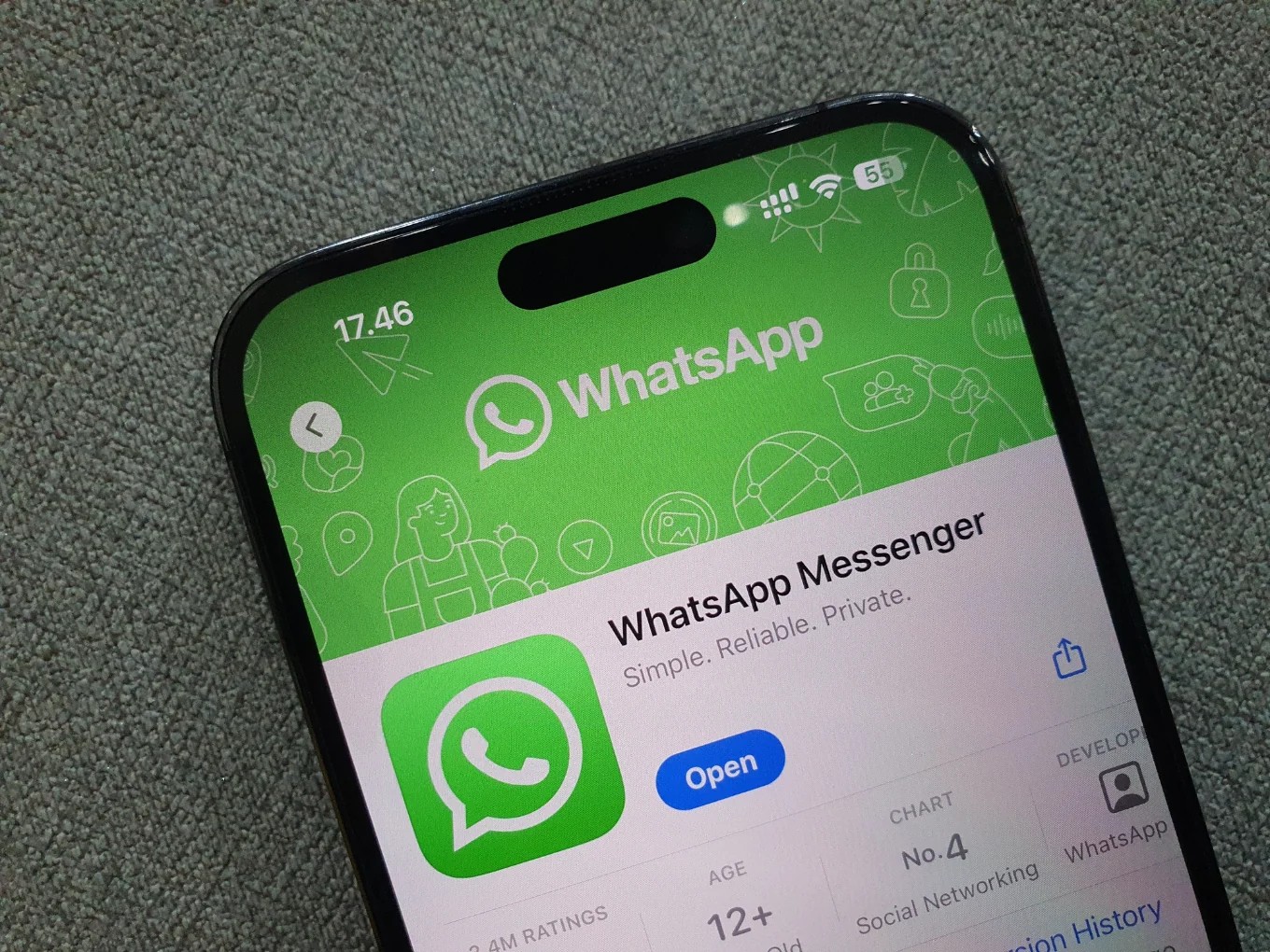
India’s nodal cybersecurity agency CERT-In has flagged five vulnerabilities in Meta’s messenger platform WhatsApp which can be exploited by attackers to delete files, access sensitive information, execute arbitrary code and bypass security restrictions.
The agency issued a ‘High’ severity advisory on November 26, covering WhatsApp and WhatsApp Business across Android and iOS devices, as well as WhatsApp’s desktop applications for Windows and Mac.
According to the advisory, the vulnerabilities stem from attachment spoofing, SQL injection, improper certificate chain validation, and incomplete validation of AI-rich response messages and external advertisement-reply URLs.
A remote attacker could potentially exploit the flaws by sending a specially crafted message, attachment or URL to a targeted user. Successful exploitation could allow attackers to execute arbitrary code, obtain sensitive information, manipulate application data or bypass security restrictions.
CERT-In has advised individuals and organisations using affected versions to install the latest updates released by Meta.
Five WhatsApp Vulnerabilities Under The Lens
The five vulnerabilities include three disclosed by WhatsApp in its November 2026 security update and two reported in May.
The first is a SQL injection vulnerability affecting WhatsApp for Android. It could be triggered when a user tapped a specially crafted ‘order details’ message sent through an unofficial WhatsApp client.
The flaw could allow attackers to delete locally stored WhatsApp files. If the recipient was online when the message arrived, the attacker could also infer one bit of information about the user’s chat database through a timing-based technique.
WhatsApp had said it had found no evidence of the vulnerability being exploited in the wild. An external researcher reported the flaw through Meta’s Bug Bounty programme.
The second vulnerability involves improper certificate chain validation in the remote-attestation verifier used to establish trust with Meta AI’s confidential computing backend.
It could allow someone positioned within Meta’s infrastructure to bypass hardware-based verification by presenting clients with a VCEK certificate signed by a key other than the hardware manufacturer’s. However, the certificate would first need to be published to WhatsApp’s third-party transparency ledger.
WhatsApp said its transparency ledger showed that all published certificates were linked to the hardware manufacturer’s root of trust, indicating that the vulnerability had not been exploited.
The third flaw involves incomplete validation of external URLs in advertisement-reply messages on WhatsApp and WhatsApp Business for Android.
An attacker could potentially expose a user’s IP information by sending media hosted on an attacker-controlled URL through a specially crafted Click to WhatsApp advertisement-reply message.
WhatsApp said the issue may have been abused in conjunction with specific spam messages, although it did not confirm exploitation of the vulnerability.
The other two vulnerabilities were disclosed in WhatsApp’s May 2026 security update.
WhatsApp said it had found no evidence of either May vulnerability being exploited in the wild.
Overall, the company reported no evidence of exploitation for four of the five vulnerabilities. However, the Android advertisement-reply URL flaw may have been abused alongside specific spam messages.
The post CERT-In Flags Five Cybersecurity Vulnerabilities In WhatsApp, Warns Of Data Exposure appeared first on Inc42 Media.
This content is published by Inc42 and has not been created or edited by Hello Headlines. View original