
Doc Talk | Can Lack Of Sleep Increase Your Stroke Risk? Warning Signs And 5 Habits To Improve Sleep
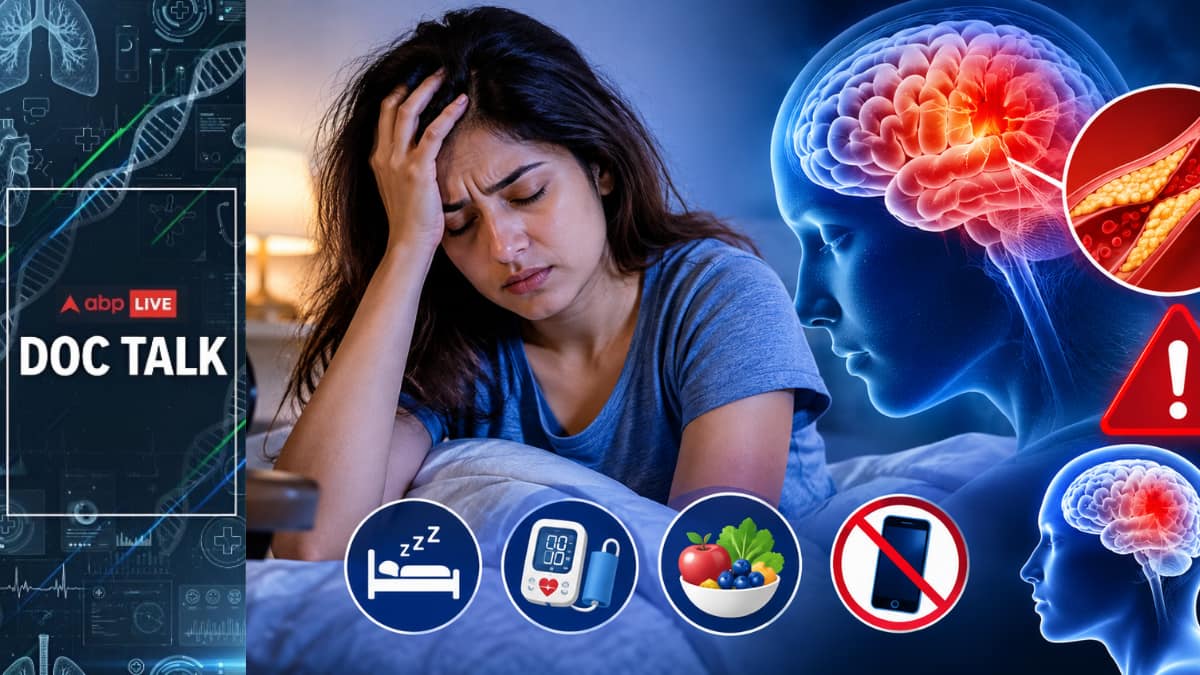
A night of poor sleep can leave a person feeling exhausted, irritable and struggling to concentrate the next morning. While these effects are usually temporary, repeated sleep deprivation may have consequences that go beyond daytime fatigue. Poor sleep has been linked to high blood pressure, heart disease and an increased risk of stroke. Although one sleepless night is unlikely to trigger a stroke in an otherwise healthy person, consistently getting inadequate sleep can gradually affect the blood vessels that supply the brain.
How Does Sleep Deprivation Affect the Brain?
Sleep plays an important role in maintaining brain and heart health. During sleep, blood pressure naturally drops, giving the cardiovascular system time to recover. The brain also uses this period to clear waste products and support essential functions such as memory and concentration.
When a person regularly gets insufficient sleep, this recovery process is disrupted. The body may remain in a heightened state of stress, leading to increased blood pressure and inflammation. Over time, these changes can damage blood vessels and contribute to conditions such as atherosclerosis, where fatty deposits build up inside the arteries.
High blood pressure is one of the leading risk factors for stroke. It can weaken blood vessels and increase the chances of a blockage or rupture. This is why chronic sleep deprivation, particularly when accompanied by other risk factors, can increase the likelihood of a stroke.
ALSO READ | Doc Talk | How Prolonged Exposure To Loud Noise Can Cause Irreversible Hearing Loss
Warning Signs That Should Never Be Ignored
Recognising the early signs of a stroke can make a significant difference to treatment and recovery. The symptoms may appear suddenly and require immediate medical attention.
Some common warning signs include:
-
Face drooping: One side of the face may appear uneven when the person smiles.
-
Arm weakness: One arm may suddenly feel weak or numb, making it difficult to raise both arms.
-
Speech difficulties: Speech may become slurred or the person may struggle to understand or respond to others.
-
Sudden vision problems: Blurred or reduced vision in one or both eyes may occur.
-
Loss of balance: Sudden dizziness, difficulty walking or loss of coordination can also indicate a stroke.
If any of these symptoms appear, emergency medical care should be sought immediately. Waiting for the symptoms to disappear can delay life-saving treatment.
ALSO READ | Doc Talk | 5 Questions About HPV Vaccination And Screening Women Should Ask Their Gynaecologist
Five Habits That Can Help Improve Sleep Quality
Making small but consistent changes to daily habits can improve sleep quality and support long-term brain and cardiovascular health.
-
Get 7-9 hours of sleep: Most adults need at least seven hours of sleep every night to support proper physical and mental functioning.
-
Follow a consistent sleep schedule: Going to bed and waking up at the same time every day helps regulate the body's internal clock.
-
Limit caffeine intake: Avoid tea, coffee and other caffeinated drinks in the evening, preferably at least six hours before bedtime.
-
Reduce screen exposure: Switching off phones and other electronic devices before bedtime can help the brain prepare for sleep.
-
Do not ignore underlying conditions: Regularly monitor blood pressure and blood sugar levels. Loud snoring, interrupted breathing during sleep and excessive daytime sleepiness should also be discussed with a doctor.
How Is a Stroke Diagnosed?
When a stroke is suspected, doctors first assess the patient's symptoms and the time when they began. Blood pressure and blood sugar levels are also checked as part of the initial evaluation.
A CT scan of the brain is usually performed to identify whether the stroke is caused by a blocked blood vessel or bleeding in the brain. An MRI may provide further details about the affected brain tissue. Doctors may also recommend an ECG to check for irregular heart rhythms, particularly atrial fibrillation, which can increase the risk of blood clots and stroke.
Early diagnosis is essential because the type of stroke determines the treatment approach.
What Treatment Options Are Available?
Stroke treatment depends on whether the condition is caused by a blood clot or bleeding in the brain.
In an ischaemic stroke, which occurs due to a blocked blood vessel, doctors may administer clot-dissolving medication such as thrombolytic therapy. In selected cases, a procedure called mechanical thrombectomy is performed, in which a specialised device is used to remove the clot and restore blood flow to the brain.
A haemorrhagic stroke occurs when a blood vessel in the brain bursts, causing bleeding into the surrounding brain tissue. Treatment focuses on controlling the bleeding, managing blood pressure and reducing pressure inside the skull. In certain cases, surgery such as a craniotomy to remove the accumulated blood or aneurysm clipping to seal the damaged blood vessel may be required.
For patients with significant narrowing of the carotid arteries, a procedure called carotid endarterectomy may be recommended to remove fatty deposits and improve blood flow to the brain.
One night of poor sleep is unlikely to cause a stroke, but consistently neglecting sleep can contribute to health conditions that increase its risk. Prioritising adequate rest, managing blood pressure and recognising warning signs early can help protect long-term brain health.
This content is published by ABP Live - Health and has not been created or edited by Hello Headlines. View original