
137 Cancer Medicines Become Cheaper: How Drug Prices Are Determined In India
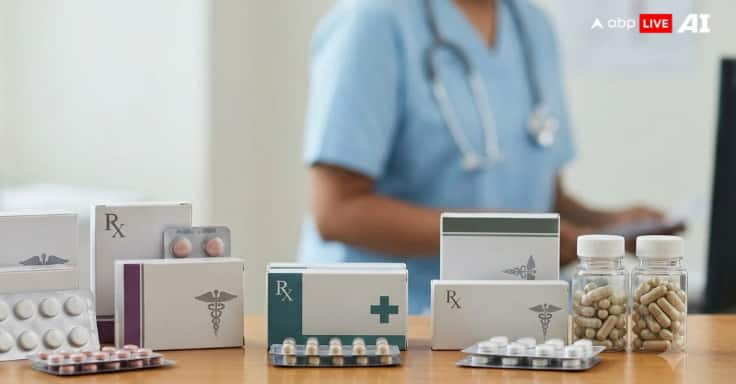
Cancer patients and their families across India have received significant relief as prices of 137 essential anti-cancer medicines have been reduced as of November 9. Pharmaceutical companies have announced revised prices for 1,364 formulations of 121 medicines. The move is expected to help patients save approximately Rs 3,540 crore annually. In some cases, medicine prices have been reduced by as much as 96.45 per cent.
But how are medicine prices determined in India? Does the government decide the price of every medicine, or do pharmaceutical companies have the freedom to set their own rates? Here is an explanation of how the system works and what role the National Pharmaceutical Pricing Authority (NPPA) plays.
How Are Medicine Prices Determined In India?
Medicine prices in India are primarily regulated through two mechanisms under the Drugs (Prices Control) Order, 2013 (DPCO). This order provides the legal framework for determining and regulating the prices of medicines in the country.
These mechanisms depend on whether a medicine falls under the scheduled or non-scheduled category.
1. Scheduled Medicines: Government Sets A Ceiling Price
India has a National List of Essential Medicines (NLEM), prepared by the Ministry of Health and Family Welfare. Medicines included in this list are classified as scheduled medicines under the DPCO.
This category also includes 63 cancer medicines.
The National Pharmaceutical Pricing Authority (NPPA) determines a ceiling price for these medicines. This is the maximum retail price at which companies and retailers can sell them. No pharmaceutical company or chemist is permitted to charge more than the prescribed ceiling price.
ALSO READ | Mangoes May Improve Insulin Resistance, HDL Levels In People With Diabetes: Study
2. Non-Scheduled Medicines: Government Regulates Trade Margins
Under normal circumstances, the prices of non-scheduled medicines are largely determined by market forces. However, pharmaceutical companies cannot increase their prices by more than 10 per cent annually.
The government also has special powers under Paragraph 19 of the DPCO. This provision allows the NPPA to fix or revise the price of any medicine in exceptional circumstances and in the public interest.
Following the Supreme Court's strong observations about excessive profits on cancer medicines, the government invoked this provision to introduce stricter price controls.
The government adopted the Trade Margin Rationalisation (TMR) mechanism to regulate the profits earned by wholesalers and retailers.
An NPPA assessment found that non-scheduled cancer medicines carried an average trade markup of 170 per cent. In some cases, this figure reportedly reached 700 per cent.
To address the issue, the NPPA capped the trade margin on 137 cancer medicines at 30 per cent of their maximum retail price (MRP). This means the trade margin cannot exceed 30 per cent of the MRP, helping reduce the final cost of these medicines for patients.
ALSO READ | Burning While Urinating? 7 Early Signs Of UTI And Kidney Infection You Should Never Ignore
Which Cancer Medicines Have Become Cheaper?
An expert panel under the Directorate General of Health Services (DGHS) recommended 137 medicines for the price-control measure.
The list includes several important cancer treatments, including immunotherapy medicines, Denosumab, Pegfilgrastim, Bevacizumab, Pembrolizumab, Durvalumab and Osimertinib.
The government has also clarified that the list will be updated periodically.
According to information released by the Press Information Bureau (PIB), the decision has resulted in significant price reductions.
-
Prices of 1,364 formulations covering 121 medicines have been reduced.
-
A total of 85 pharmaceutical companies have submitted revised prices.
-
Prices of 679 brands have been reduced by more than 50 per cent.
-
The maximum recorded price reduction is 96.45 per cent.
The reduction targets excessive trade margins that were previously averaging 170 per cent and reaching as high as 700 per cent in certain cases.
A similar measure was introduced in 2019, when trade margins on 42 cancer medicines were capped. Following that decision, prices of 526 brands reportedly fell by up to 90 per cent.
However, the latest decision applies only to the 137 medicines selected by the expert panel. Several expensive cancer treatments continue to remain costly.
For instance, advanced immunotherapy medicines such as Pembrolizumab, used in cancer treatment, may not have witnessed comparable price reductions because of their different pricing structures or patent protection.
According to the report, approximately 24.7 per cent of cancer medicines have not seen any price reduction.
Supreme Court On Cancer Medicine Prices
The issue gained significant attention on September 22, 2026, when the Supreme Court expressed strong displeasure over the high prices of cancer medicines.
The matter came to light during a hearing involving a medicine that was purchased for Rs 2,700 but sold to a patient for Rs 27,000.
The Supreme Court strongly criticised the excessive pricing, describing the practice as daylight robbery and using the term 'genocide' to highlight the seriousness of the issue.
The court's observations prompted the government to examine the pricing structure and take action against excessive trade margins on cancer medicines.
Patients Can Check The Revised Prices And Report Overcharging
The central government has clarified that no chemist or hospital pharmacy can charge patients more than the revised maximum retail price (MRP) of the affected medicines.
Patients and their families can check the updated prices through the Pharma Sahi Daam mobile application or the NPPA's official website.
If a pharmacy or medical store charges more than the revised MRP, patients can register a complaint through the Pharma Jan Samadhan portal.
They can also contact the NPPA helpline at 1800-111-255 to report overcharging.
The revised pricing mechanism is aimed at making essential cancer treatments more affordable by bringing excessive trade margins under control. However, the price reduction does not cover every cancer medicine, and several high-cost treatments continue to remain expensive.
[Disclaimer: The information provided in the article is intended for general informational purposes only. It is not a substitute for professional medical advice, diagnosis, or treatment. Always seek the advice of your physician or other qualified healthcare provider with any questions you may have regarding a medical condition.]
This content is published by ABP Live - Lifestyle and has not been created or edited by Hello Headlines. View original