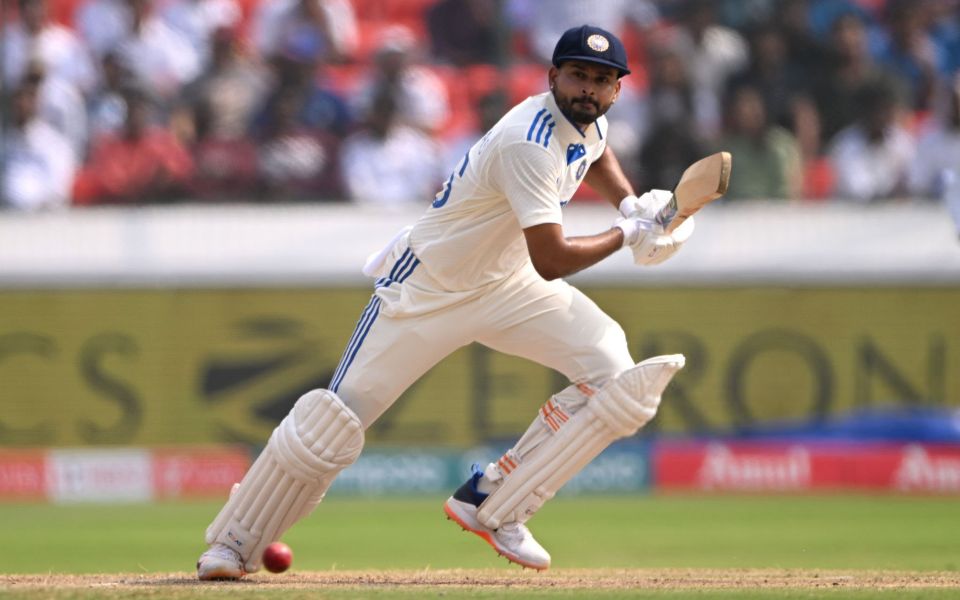
3 reasons why Axar Patel should not bat at No. 5 in ODIs
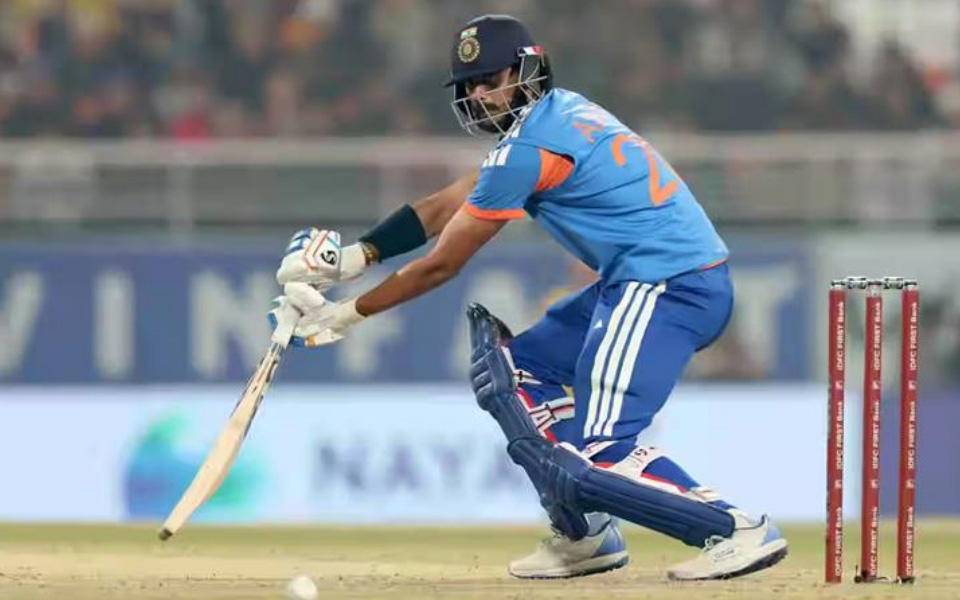
India's middle-order batting arrangement has attracted considerable debate during the ongoing ODI series against New Zealand. Captain Shubman Gill has confirmed that the top four positions are settled, leaving Nos. 5 and 6 to be shared between Axar Patel and KL Rahul.
The team management, including batting coach Sitanshu Kotak, has defended the decision to field Axar at No. 5, citing the left-right combination advantage and the all-rounder's prior experience in that slot under head coach Gautam Gambhir. However, the numbers and the context of the 2027 ODI World Cup in South Africa, Zimbabwe and Namibia tell a more complicated story.
Pushing KL Rahul out of his best position
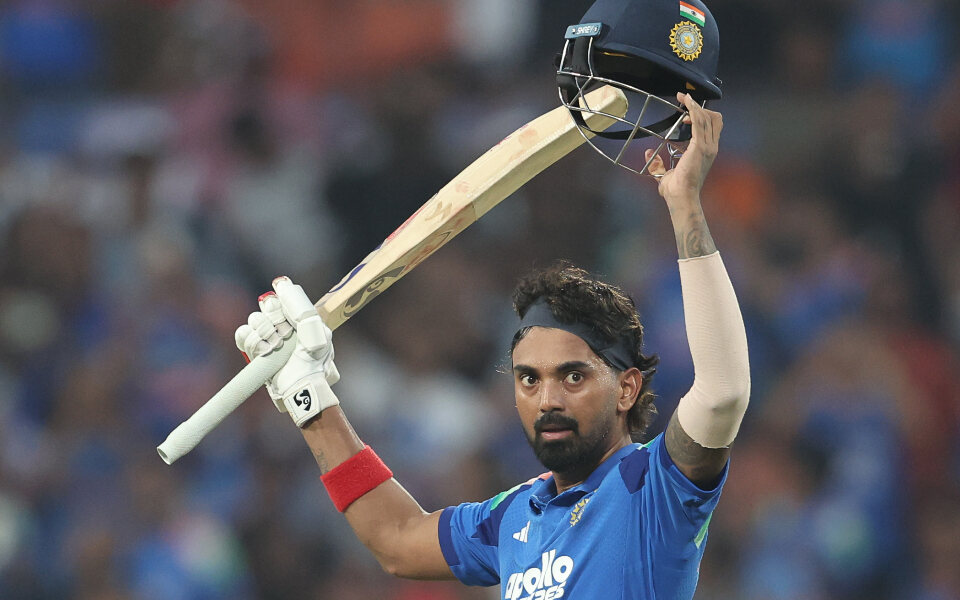
KL Rahul has built one of the most impressive records of any batter at No. 5 in ODI cricket. Across that position, he has accumulated 1,646 runs at an average of 68.58 and a strike rate of 103.19, including four centuries.
Although Axar Patel is a capable lower-order contributor, his record at No. 5 across all ODIs reads 365 runs in 13 innings at an average of 30.41 and a strike rate of 87.11, with no hundreds. Rahul averages more than twice as much at that position and scores approximately 16 runs more per 100 balls. Pushing Rahul down to No. 6 to accommodate Axar means India voluntarily moves their superior No. 5 batter one slot lower, which could affect his rhythm and reduce his overall contribution in matches where the team needs a steady hand early in the middle order.
Over-dependence on the left-right combination logic
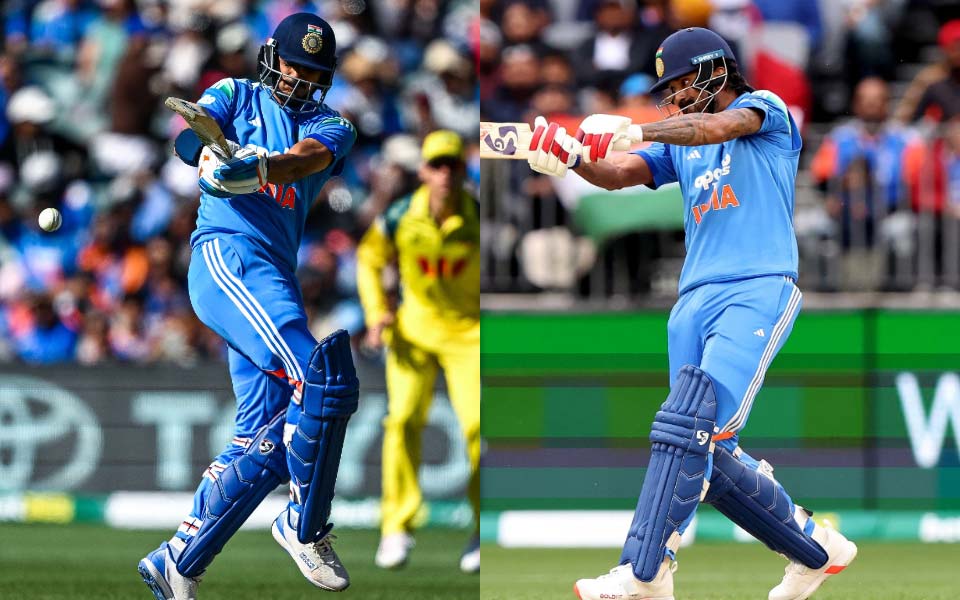
India's top four in the current ODI setup are all right-handed batters, and the team management has used that fact to justify placing the left-handed Axar at No. 5. However, a batting position carries specific responsibilities that go beyond simply breaking up a sequence of same-handed batters.
No. 5 demands a batter who can rebuild the innings after early wickets fall, rotate the strike against quality bowling, and bat through a substantial block of remaining overs. Axar's strengths lie in the lower middle order, where he can play aggressively in the final stages of an innings.
Tactical flexibility is a legitimate goal, but assigning a player a role that does not align with his core strengths, particularly with the 2027 ODI World Cup approaching, is a risk India may not need to take. A batter's suitability for a position should be the primary criterion, not merely the handedness he brings to the crease.
Axar Patel's record in SENA countries

Another dimension to this debate is Axar's record in SENA countries, which will be the primary theatre for the 2027 ODI World Cup. In 12 ODI innings across South Africa, England, New Zealand and Australia, Axar has scored 151 runs at an average of 13.70 and a strike rate of 78.60, with only one half-century to show from those outings.
The current series in New Zealand has reinforced those concerns. Axar walked in at No. 5 in the first ODI on November 4 and was dismissed for a duck off two balls. In the second ODI at Wellington, Matthew Fisher removed him for 7 off 17 balls, with Rahul following at No. 6. Across the two innings, Axar managed just seven runs at No. 5. Although his overall ODI record of 925 runs in 76 matches at an average of 22.56 reflects his value as an all-rounder, the SENA-specific figures highlight a clear gap between what No. 5 demands and what Axar has delivered in those conditions.
With the 2027 World Cup set to be played across South Africa, Zimbabwe and Namibia, India would benefit from settling on a No. 5 batter whose record in similar conditions is more convincing. Rahul's figures make him the stronger candidate for that role.
This content is published by CricTracker and has not been created or edited by Hello Headlines. View original