Iran Uses Chinese Ports And Storage Tanks To Keep Its Oil Trade Afloat Despite US Restrictions: Report
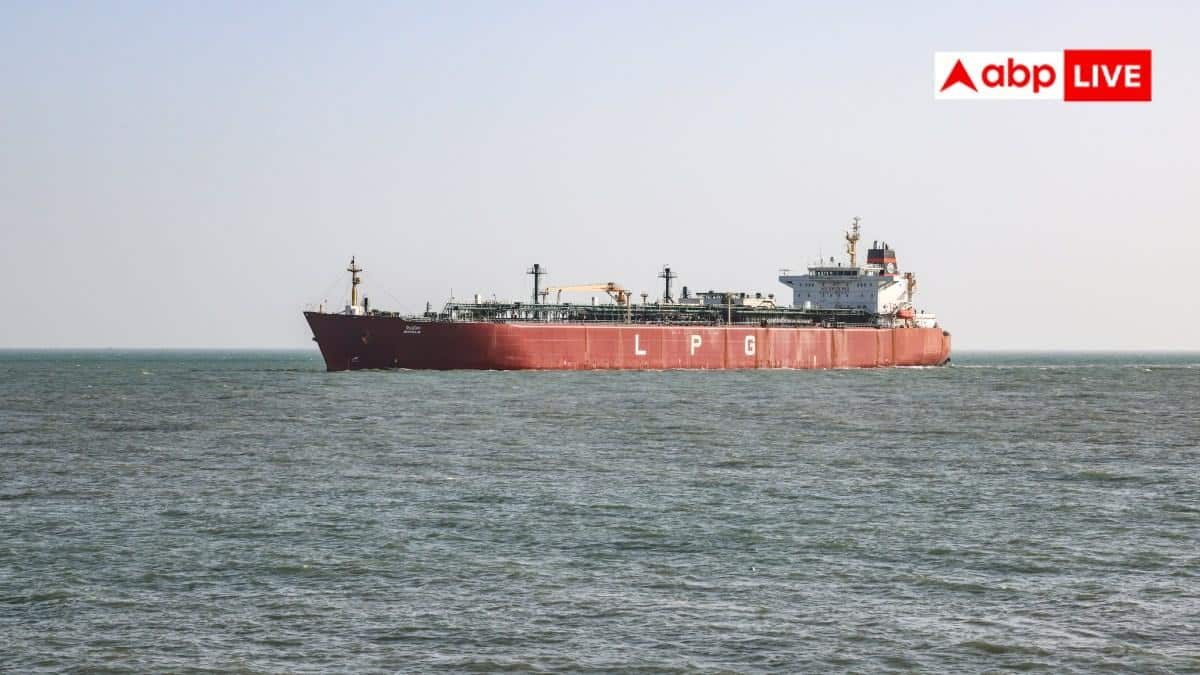
Iran is using oil terminals, port facilities and storage infrastructure in China to keep its sanctioned oil tankers operating despite US restrictions, according to a confidential document obtained by Iran International citing sources in Iran's Oil Ministry.
The document is a confidential letter written by Hamid Bovard, former head of the National Iranian Oil Company (NIOC) and current acting oil minister, in response to a highly confidential communication sent by Ali Shamkhani, former secretary of Iran's Supreme National Security Council, to then-Supreme Leader Ali Khamenei.
Shamkhani, who also served as Khamenei's political adviser, had described oil sales under President Masoud Pezeshkian as disastrous. Both Shamkhani and Khamenei were killed in US-Israeli strikes on February 28, 2026.
In his response, Bovard criticised the administration of former President Ebrahim Raisi for its policy of deploying newer vessels. He also outlined an alternative arrangement developed under Pezeshkian, which he said involved covert cooperation from China.
According to Bovard, Iranian authorities instructed trusted oil intermediaries to continue using sanctioned vessels capable of docking at designated Chinese ports.
Iran's Foreign Ministry reportedly negotiated with Beijing to secure port facilities and oil terminals, creating a hub for sanctioned Iranian crude. Tehran also obtained long-term leases on large oil storage facilities at several locations in China, allowing it to sell crude directly in the Chinese market.
Under this arrangement, vessels belonging to Hossein Shamkhani, Ali Shamkhani's son and owner of a fleet of tankers commonly described as a shadow fleet, transport Iranian oil to docks in China allegedly controlled by Tehran. These facilities enable the vessels to continue delivering crude despite US sanctions.
The arrangement is intended to reduce the impact of American restrictions on Hossein Shamkhani's shipping operations. The US Treasury has sanctioned 51 vessels linked to him.
For years, Iran has worked with China to sell oil through trusted intermediaries to small independent Chinese refineries, commonly known as 'teapot' refineries. The US has repeatedly sanctioned companies involved in these transactions. However, the use of intermediaries helps shield China's major banks and three largest oil companies from exposure to American sanctions.
Iran's Oil Terminals And Storage Facilities In China
Two sources in Iran's Oil Ministry told Iran International that Tehran had acquired control of port facilities at three locations in China.
One of these is in the Ningbo-Zhoushan free trade zone, where Iran reportedly gained control of a terminal by helping construct several smaller transit facilities.
According to the sources, Tehran also secretly acquired stakes in smaller docks at the ports of Qingdao and Pant in China's Shandong province.
The docks are located near pipelines, allowing Iranian crude to reach Chinese refineries quickly without being transferred to other vessels.
Iran has also purchased seven oil storage tanks in China, enabling it to ship crude there before securing buyers.
Four large storage tanks owned by Iran are located at the ports of Dalian and Huizhou and in the coastal cities of Dongying and Weifang.
The Oil Ministry controls three other large storage tanks in the Zhoushan area of the Ningbo-Zhoushan archipelago, according to Iran International's sources. These include the Kamergi tank on Aoshan Island, a tank at the Shulanghu Island terminals and another in the Zengyamuo oil zone.
Two months ago, Iran International published a document showing that Mohammad Javad Bavand, a special assistant to the oil minister, had instructed oil intermediary Mohammad Hadi Momenin, who owed $2 billion, to use a vessel belonging to Hossein Shamkhani to transport oil for storage at one of the Chinese ports.
China also earns revenue from storing Iranian crude. Nearly two years ago, Reuters reported that 25 million barrels of Iranian oil were stranded in storage facilities in China and that Tehran had paid $450 million in storage fees.
China Distances Itself From Iranian Oil
Despite these arrangements, the confidential correspondence suggests that Tehran was facing growing pressure from its biggest oil buyer.
Bovard's letter to Khamenei's office indicates that China had begun distancing itself from Iranian oil even before the 40-day war.
According to the letter, Beijing rejected Tehran's request to increase crude import quotas for Chinese refineries, raised its purchases of Venezuelan oil and demanded deeper discounts on Iranian crude.
Two months ago, US Treasury Secretary Scott Bessent said at the launch of an initiative aimed at economically isolating Iran that China and the United States had more in common than differences.
He said China obtained 50 per cent of its energy requirements from the Persian Gulf and supported the free flow of maritime trade through the Strait of Hormuz.
This content is published by ABP Live - World and has not been created or edited by Hello Headlines. View original