
When An Ibrahim Defended RSS: Mohan Bhagwat Recalls 1930s Ban On Outfit
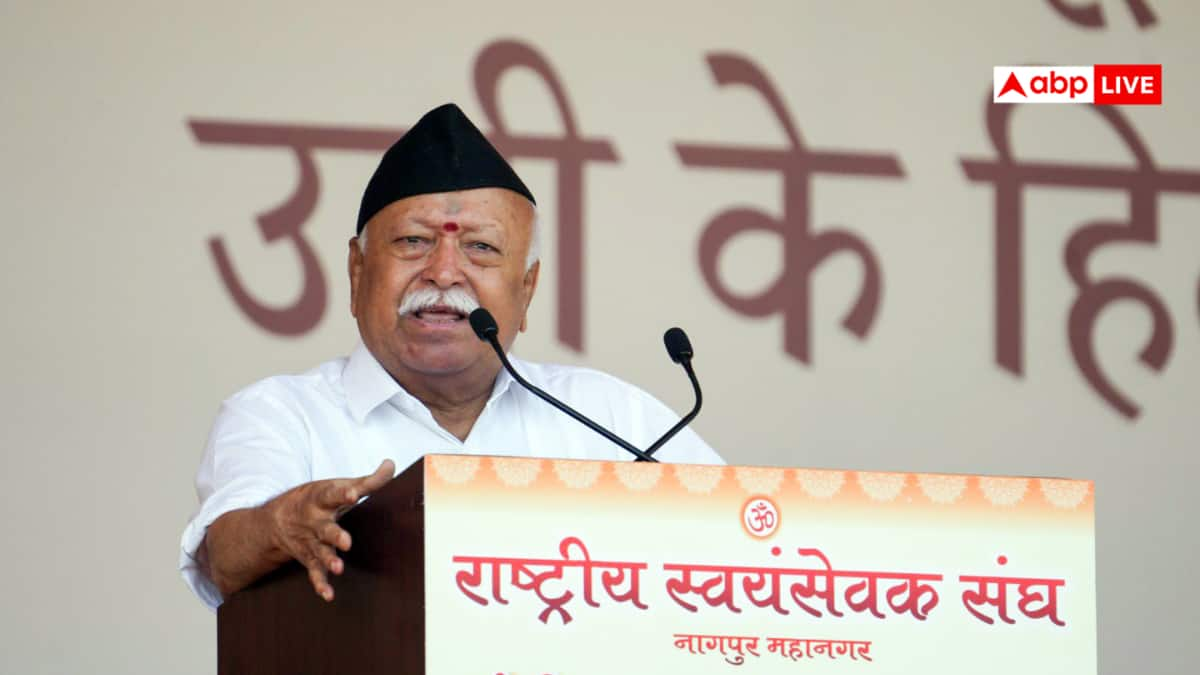
Rashtriya Swayamsevak Sangh (RSS) chief Mohan Bhagwat on Monday recalled an episode from the organisation's early years when a man named Ibrahim spoke in its defence during an attempt to impose its first ban in the 1930s. Bhagwat said Ibrahim had argued that the Sangh should not be shut down, asserting that it was not a communal organisation.
Speaking in Nagpur on November 9, Bhagwat said there was no RSS volunteer or supporter of its ideology willing to defend the organisation when the issue came up in the Central Provinces Assembly. However, Ibrahim, who was not identified further, came forward to oppose the proposed ban.
Bhagwat was speaking after inaugurating a newly constructed auditorium at the renovated headquarters of Nagpur Nagrik Sahakari Bank Limited. He also reflected on the RSS's journey over the past 100 years and the contribution of its volunteers, known as swayamsevaks, to the organisation.
How Ibrahim Defended RSS During First Ban Attempt
Recalling Ibrahim's intervention, Bhagwat said he had argued that the RSS should not be banned because it was not communal. He also cited Ibrahim's reference to the organisation's founder, Dr Keshav Baliram Hedgewar, to support his argument.
Quoting Ibrahim, Bhagwat said: "I believe that those who say Hindustan is 'Hindu rashtra' should be sent to a mental hospital. I know Dr Hedgewar; he is not mental; he is a good person. So, Sangh cannot be communal."
Bhagwat said the RSS was still relatively young at the time and had little public recognition, although its founder was widely known. He added that volunteers gradually became the organisation's identity, a role they continued to fulfil even a century after its establishment.
Bhagwat Highlights Dedication Of RSS Pracharaks
Speaking about a book documenting the lives of RSS pracharaks, Bhagwat said such accounts were being written out of gratitude and affection rather than for any material benefit. He said pracharaks neither expected nor sought personal gains, as their commitment was centred entirely on the organisation.
"For a pracharak, there is only the Sangh. The Sangh is everything, and nothing else exists for him," Bhagwat said. He added that people who came into close contact with pracharaks developed a natural sense of reverence and respect for them.
The RSS chief said their devotion and dedication could not be adequately captured in writing, as these qualities were best understood through personal experience. Only those who had interacted directly with such individuals could fully appreciate their commitment, he said.
'Swayamsevak's Life Is Like Swimming Against The Tide'
Describing the life of a swayamsevak as one of "swimming against the tide", Bhagwat said it involved following principles without selfishness, ego or personal expectations. He said the central concern of a volunteer was how much good he could contribute to society.
Bhagwat acknowledged that not every volunteer might fully embody these ideals and that individuals differed in their abilities, qualities and levels of commitment. However, he maintained that their overall direction remained the same, with dedication serving as the common thread.
He also spoke about the distinct qualities and capabilities of individuals, saying that while people differed in several respects, their commitment was what united them. Drawing from his own experience as a pracharak, Bhagwat said he had observed this dedication among fellow pracharaks over the years.
This content is published by ABP Live - India and has not been created or edited by Hello Headlines. View original