
3 reasons why Gujarat Titans should not trade Prasidh Krishna to DC

Delhi Capitals are in active discussions with Gujarat Titans to bring Prasidh Krishna to their camp ahead of IPL 2027. The reported swap deal would see Ashutosh Sharma move in the opposite direction, with both franchises working against a mid-November 2026 deadline to finalise any arrangement.
The trade talks were first reported by RevSportz and gained traction after DC traded left-arm seamer T Natarajan to Sunrisers Hyderabad, leaving a visible gap in their pace attack. GT had also approached Delhi months earlier regarding Ashutosh, so the conversation has history on both sides.
Here are three reasons why Gujarat Titans should resist completing this deal:-
1. Scarcity of quality Indian pacers makes Prasidh irreplaceable
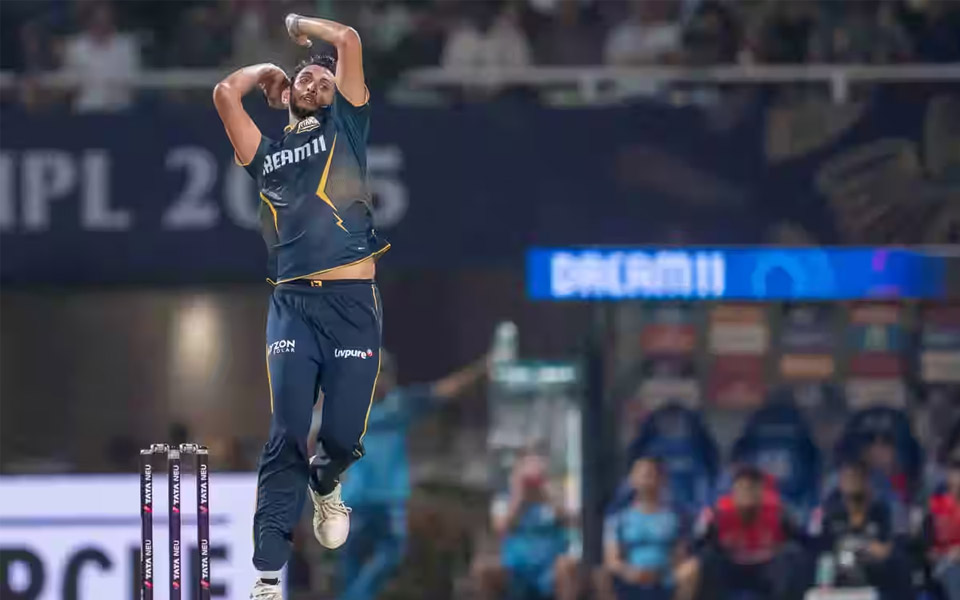
Proven Indian pace bowlers who have performed consistently at the highest level are not easy to come by in the IPL market. Prasidh Krishna claimed the IPL 2025 Purple Cap with 25 wickets from 15 matches at an economy of 8.27, with a best of 4/41 against Delhi Capitals. That spell also saw him hold the Purple Cap mid-tournament with 14 wickets in 7 matches at that stage.
Across 78 IPL appearances in total, he has taken 90 wickets at an average of 28.87. GT paid ₹9.5 crore to secure him at the IPL 2025 mega auction after he missed the 2023 and 2024 seasons through injury, and he repaid that investment immediately. Releasing a bowler of that calibre through a trade leaves a gap that is not straightforward to address through auction alone.
2. Bowling depth and flexibility would take a direct hit

GT's pace attack carries genuine depth with Mohammed Siraj and Kagiso Rabada also in the mix. Prasidh's presence alongside those two gives the side the flexibility to rotate workloads, manage conditions and absorb injury setbacks across a long tournament. In IPL 2026, Prasidh continued to contribute as one of GT's primary wicket-taking options, recording a best of 4/28 against Lucknow Super Giants across 12 matches that season.
Removing him from that group reduces the attack's options and leaves the remaining pacers more exposed if either Siraj or Rabada misses matches. A three-pronged pace unit is a meaningful asset, and trading away one of its key members narrows the margin for error considerably.
3. Unbalanced trade value does not serve GT's needs
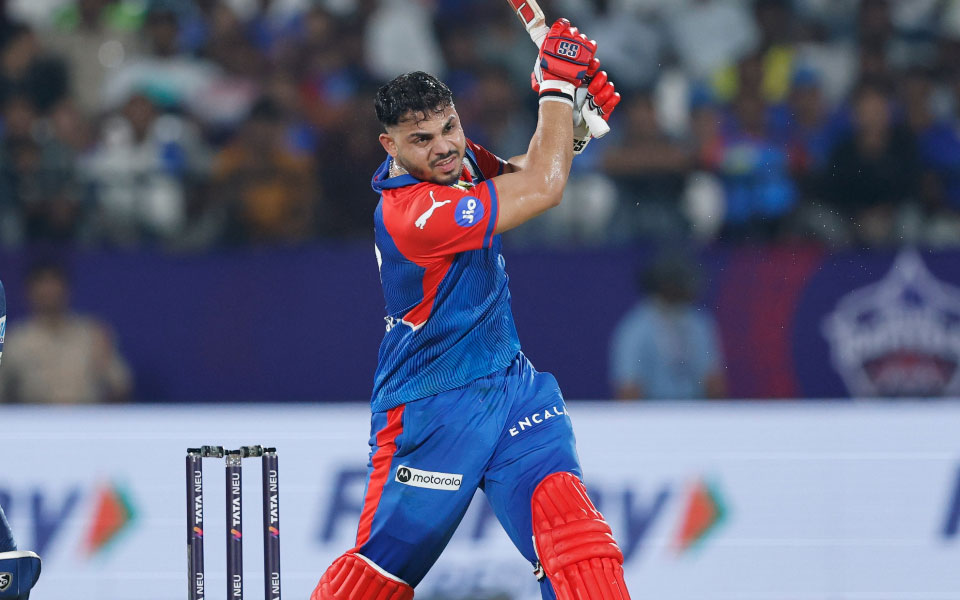
The reported exchange involves GT receiving Ashutosh Sharma, a middle-order finisher who made his IPL debut on April 4, 2024 for Punjab Kings against Gujarat Titans and was acquired by Delhi Capitals for ₹3.80 crore at the IPL 2025 auction. Ashutosh showed his ability in IPL 2025, scoring 66 not out off 31 balls against Lucknow Super Giants when DC were in trouble at 65/5 chasing 210.
He is a capable finisher, but GT's primary need is not a middle-order batter. Swapping a frontline pacer for a batting reinforcement creates an imbalance, the pace department becomes thinner while a position that can be addressed through other auction routes is filled. The trade value does not align with what GT would be giving up.
This content is published by CricTracker and has not been created or edited by Hello Headlines. View original