Choti Diwali 2026: Why Are 14 Diyas Lit On This Day? Know The Significance And Right Placement
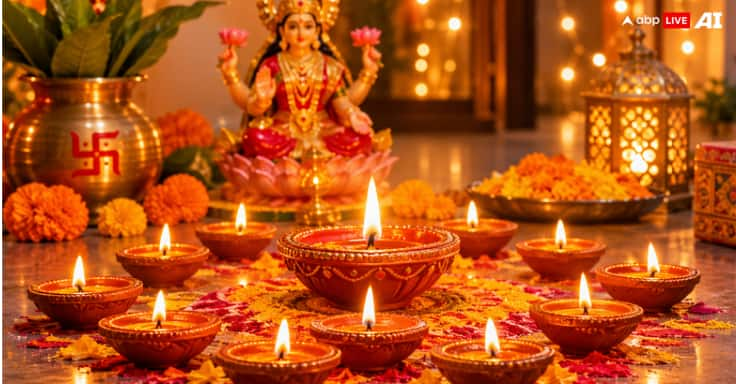
Choti Diwali, also known as Narak Chaturdashi, is celebrated with the lighting of diyas, prayers and various religious rituals. On this occasion, lighting lamps at specific places in the house is considered auspicious. According to religious beliefs, lighting 14 diyas on Choti Diwali is associated with prosperity, positivity and protection from negative energies.
This year, Choti Diwali is being observed on November 7, 2026, with the tradition of lighting lamps during the evening Pradosh Kaal. Devotees also perform Yama Deepdaan to seek blessings for the long life and well-being of their family members.
Choti Diwali 2026 Shubh Muhurat
According to the Hindu Panchang, the Chaturdashi Tithi begins on November 7 at 10:47 AM and ends on November 8 at 11:27 AM.
The auspicious timings for lighting diyas and performing rituals are:
- Choti Diwali: November 7, 2026
- Pradosh Kaal: 5:31 PM to 8:09 PM
- Yama Deepdaan: During the evening Pradosh Kaal
- Abhyang Snan: November 8, 5:41 AM to 6:38 AM
ALSO READ | Choti Diwali 2026 Wishes: Messages To Share With Your Family And Friends On This Auspicious Day
Where Should You Light 14 Diyas?
According to religious traditions, lighting 14 diyas at different places in the house on Choti Diwali holds special significance. Here are the places where devotees can light lamps.
1. At The Main Entrance
Lighting a diya at the main entrance is considered a symbol of welcoming prosperity and positivity into the house. It is believed to invite auspiciousness and happiness.
2. At The Puja Room
A diya should be lit at the place of worship while remembering Lord Vishnu, Goddess Lakshmi and one's family deity. A lamp made with pure ghee or sesame oil can be used.
3. In The South Direction
On Narak Chaturdashi, lighting a lamp in the south direction is associated with Lord Yama. This ritual, known as Yama Deepdaan, is performed to pray for the long life and protection of family members.
4. In The Kitchen
The kitchen is considered the place of food and nourishment. Lighting a diya here is associated with expressing gratitude to Goddess Annapurna and praying for food and abundance throughout the year.
5. In The Courtyard
A lamp can be placed in the courtyard to illuminate the central part of the house. It is considered a symbol of family happiness and well-being.
6. Near The Tulsi Plant
Tulsi is considered sacred in Hindu traditions and is associated with Goddess Lakshmi. Lighting a diya near the plant is believed to bring blessings and prosperity.
7. On The Terrace
Lighting a diya on the terrace symbolises spreading light throughout the house and sharing the festive spirit.
8. Near The Windows
Diyas can be placed near windows to illuminate the house. However, they should always be kept away from curtains and other flammable materials.
9. Near A Water Source
Lighting a diya near a well, river or water source is also considered auspicious in certain traditions. At home, lamps should be placed only in safe locations.
10. Near The Grain Storage Area
A diya can be lit near the place where food grains are stored. This is associated with praying for food security and abundance.
11. In The Study Room
Lighting a lamp in the study room is considered a symbol of knowledge, wisdom and a bright future.
12. At The Workplace
Devotees can also light a diya at their shop, office or workplace and pray for professional growth, prosperity and success.
13. Near A Sacred Tree
Lighting a diya near sacred trees such as Peepal is considered significant in Hindu traditions. Devotees should follow their local customs while performing this ritual.
14. Outside The House
A diya can also be placed outside the house near the entrance as part of the Yama Deepdaan tradition. It is believed to symbolise prayers for the health, longevity and protection of family members.
ALSO READ | Dhanteras 2026: 7 Things You Should Avoid Buying On This Auspicious Day To Prevent Rahu And Shani Dosha
Important Rules To Follow While Lighting Diyas
- Earthen diyas are traditionally preferred for lighting lamps on Choti Diwali.
- Pure ghee or oil can be used according to family traditions.
- Pradosh Kaal is considered auspicious for evening Deepdaan.
- Diyas should always be placed on stable and safe surfaces.
- Keep lamps away from curtains, paper, wooden objects and other flammable materials.
- While lighting diyas, devotees can pray for the happiness, prosperity, health and peace of their family.
Religious Significance Of Lighting 14 Diyas On Choti Diwali
According to Hindu religious beliefs, lighting diyas on Choti Diwali is associated with removing negativity and welcoming positivity into the house. Alakshmi is traditionally regarded as a symbol of poverty, discord and inauspiciousness, while Goddess Lakshmi represents prosperity and abundance.
Deepdaan is believed to symbolise the removal of darkness and the welcoming of auspiciousness. Similarly, Yama Deepdaan is performed with the belief that it brings blessings for the long life and well-being of family members.
[Disclaimer: The information provided here is based solely on beliefs and information. It's important to note that ABPLive.com does not endorse any beliefs or information. Consult a relevant expert before acting on any information or information.]
This content is published by ABP Live - Lifestyle and has not been created or edited by Hello Headlines. View original